 EN
EN JP
JP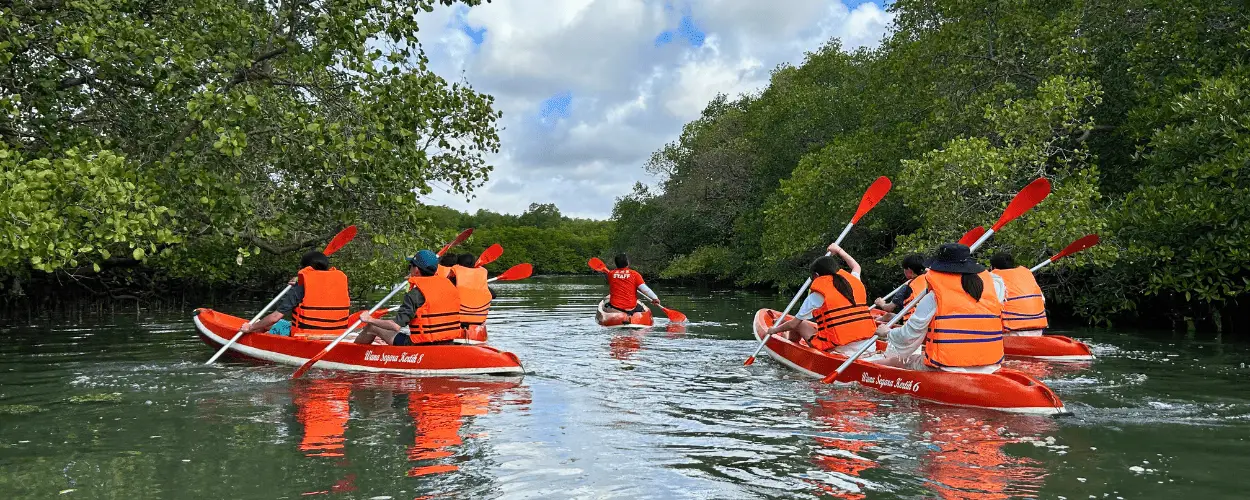
Bali is famous for its beaches and rice terraces, but there’s another side of the island that deserves equal attention: the Bali Mangrove ecosystem. Preserving Bali's natural beauty and ecosystems is essential for maintaining the island's unique environment and supporting sustainable tourism. Through activities like the Mangrove Tour, Mangrove Canoe, and Mangrove Planting Bali, visitors can enjoy a peaceful nature experience while learning about the importance of coastal Sustainability. Mangroves play a crucial role in protecting Bali's coastline from erosion and other environmental threats, making their conservation vital for the island's future.
This guide highlights group-friendly activities around Bali’s mangrove area from light adventures to eco-learning experiences based on real field observations, local expertise, and sustainable tourism practices led by Bali Mangrove Adventure and other local operators.
Why Choose a Group Trip to the Bali Mangrove?
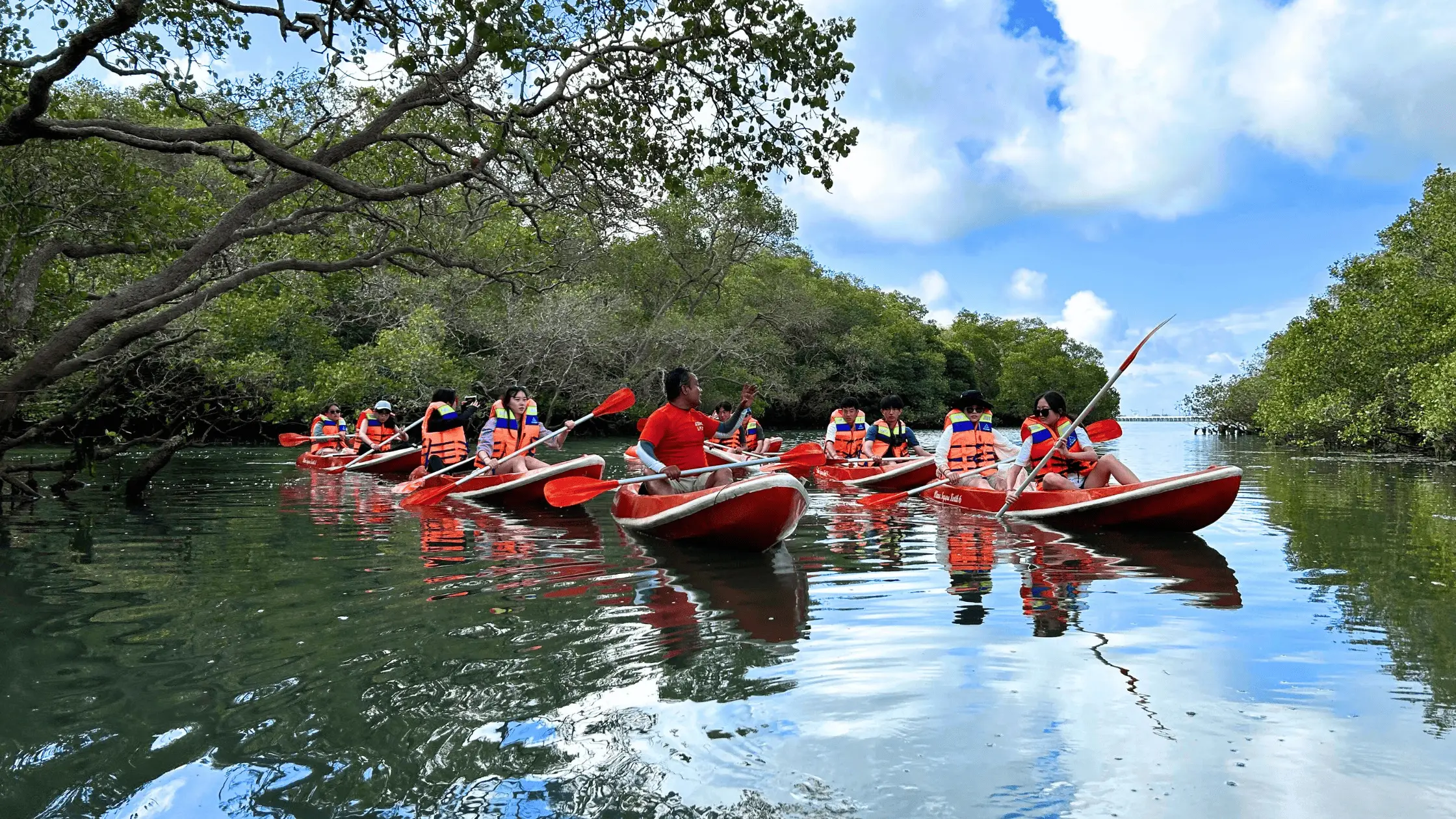
The Bali Mangrove area offers a perfect balance between exploration and environmental education. Group trips allow participants to learn about the vital role of mangroves, connect with local guides, and take part in meaningful eco-activities that contribute to conservation. It’s a refreshing alternative to the usual beach outings calm, green, and rooted in Sustainability. For those seeking tranquility and a deeper connection with nature, the Bali Mangrove group trip is truly a serene nature escape.
Sustainability Principles in the Mangrove Area
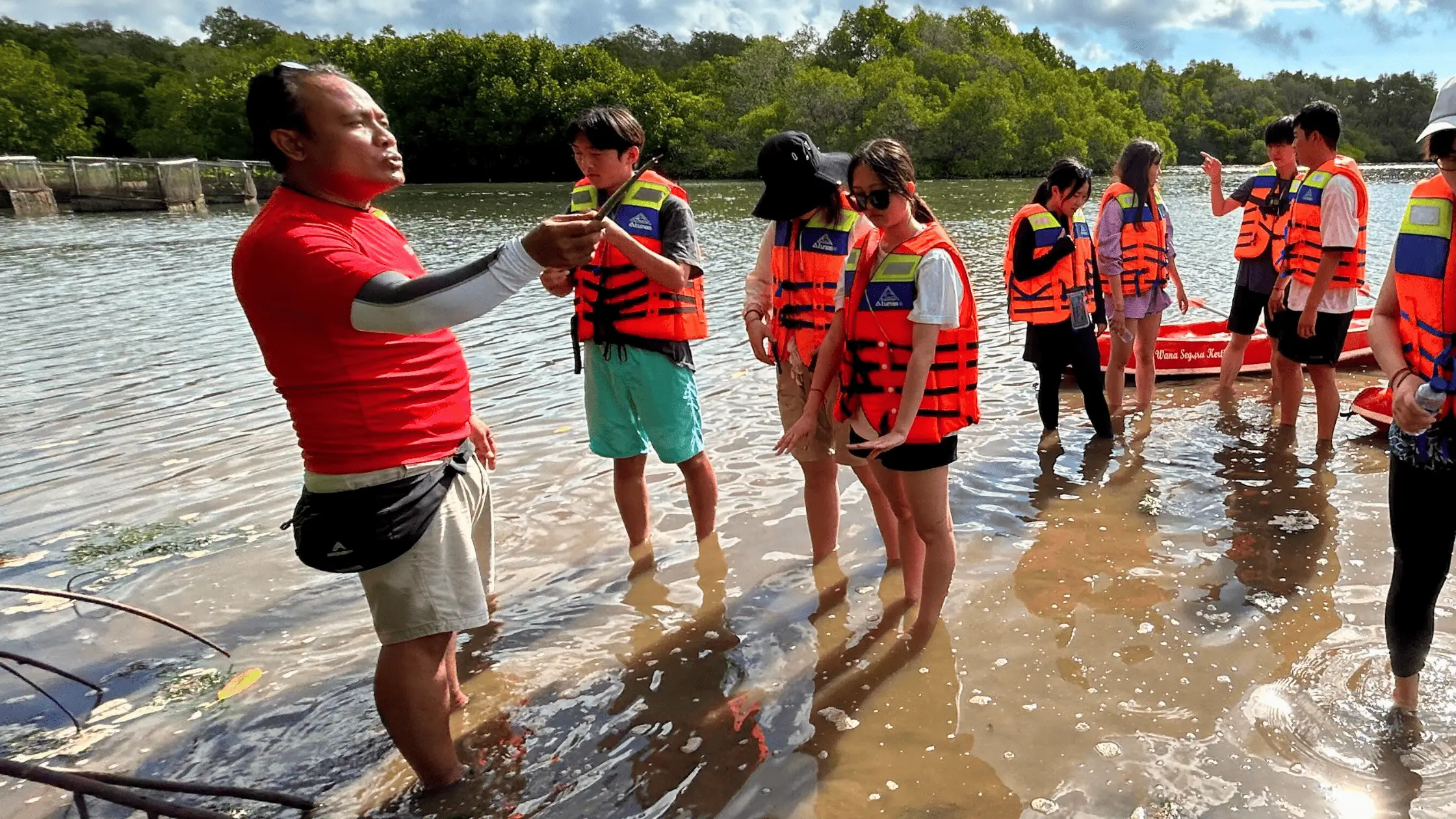
Activities in the mangrove ecosystem are designed with environmental care in mind to minimize impact. Small group sizes, reef-safe sunscreen, and proper waste handling are part of responsible practices that protect this habitat. The mangrove ecosystem hosts diverse flora and fauna essential to local biodiversity. Mangroves also improve water quality by filtering coastal waters, benefiting marine ecosystems and nearby communities. Community involvement is central many operators empower local residents as guides and stewards. Programs like mangrove planting let visitors directly support coastal restoration while learning practical techniques.
Recommended Group Activities in the Bali Mangrove
1) Bali Mangrove Canoe Group Tour
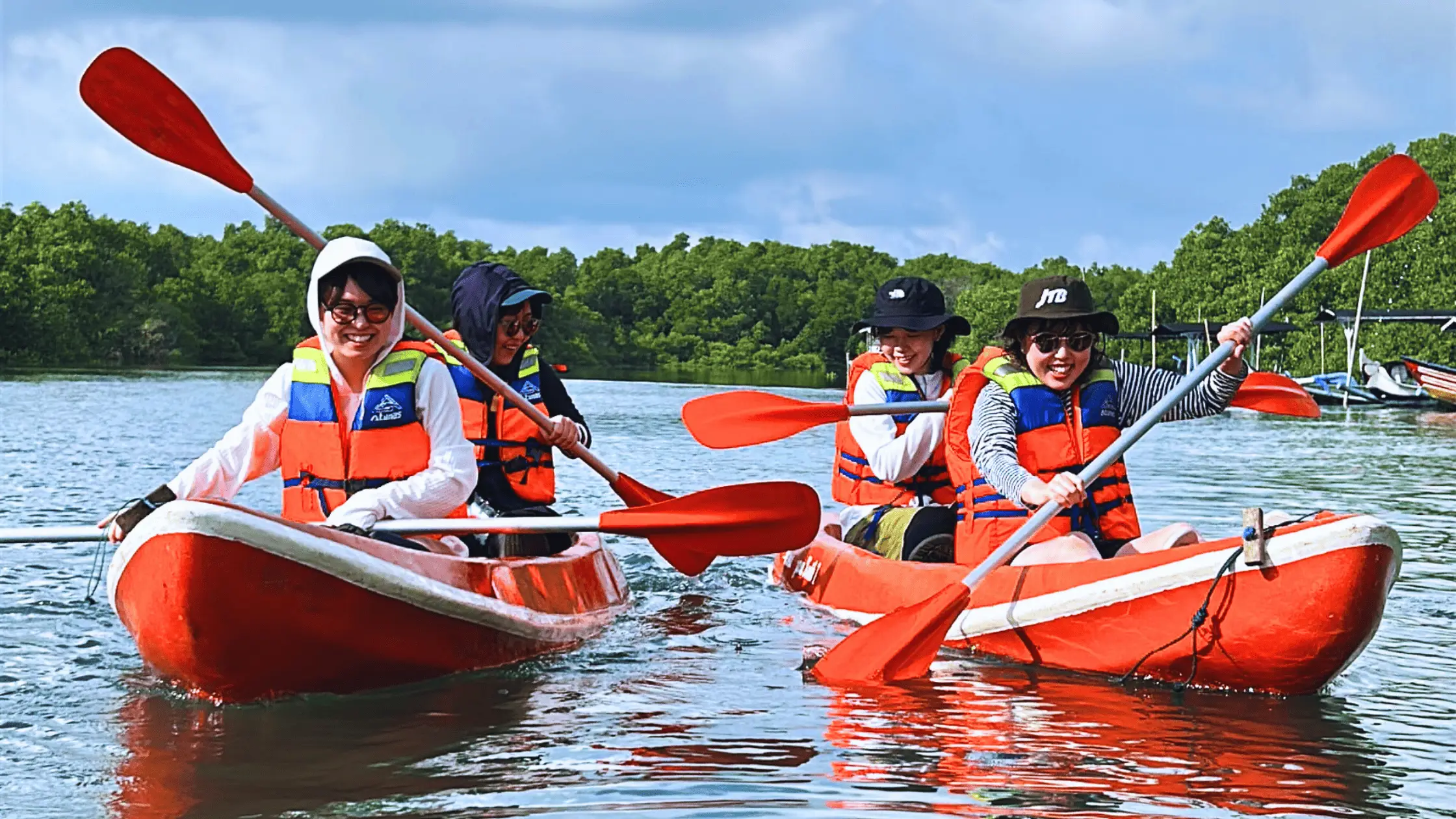
Paddle gently through calm mangrove channels guided by local experts who share insights about the coastal ecosystem for group departures and practical details, see Bali Mangrove Adventure Mangrove Canoe Tour. This mangrove forest tour offers opportunities to observe mangrove wildlife, including various animals such as crabs and fish, in their natural habitat. The trip provides a serene and educational experience, ideal for schools, nature clubs, or companies seeking a light team-building activity. Participants often spot crabs, herons, fish, and unique mangrove roots that thrive between land and sea; keep your strokes small and steady to avoid disturbing habitat.
2) Evening Mangrove Canoe Tour
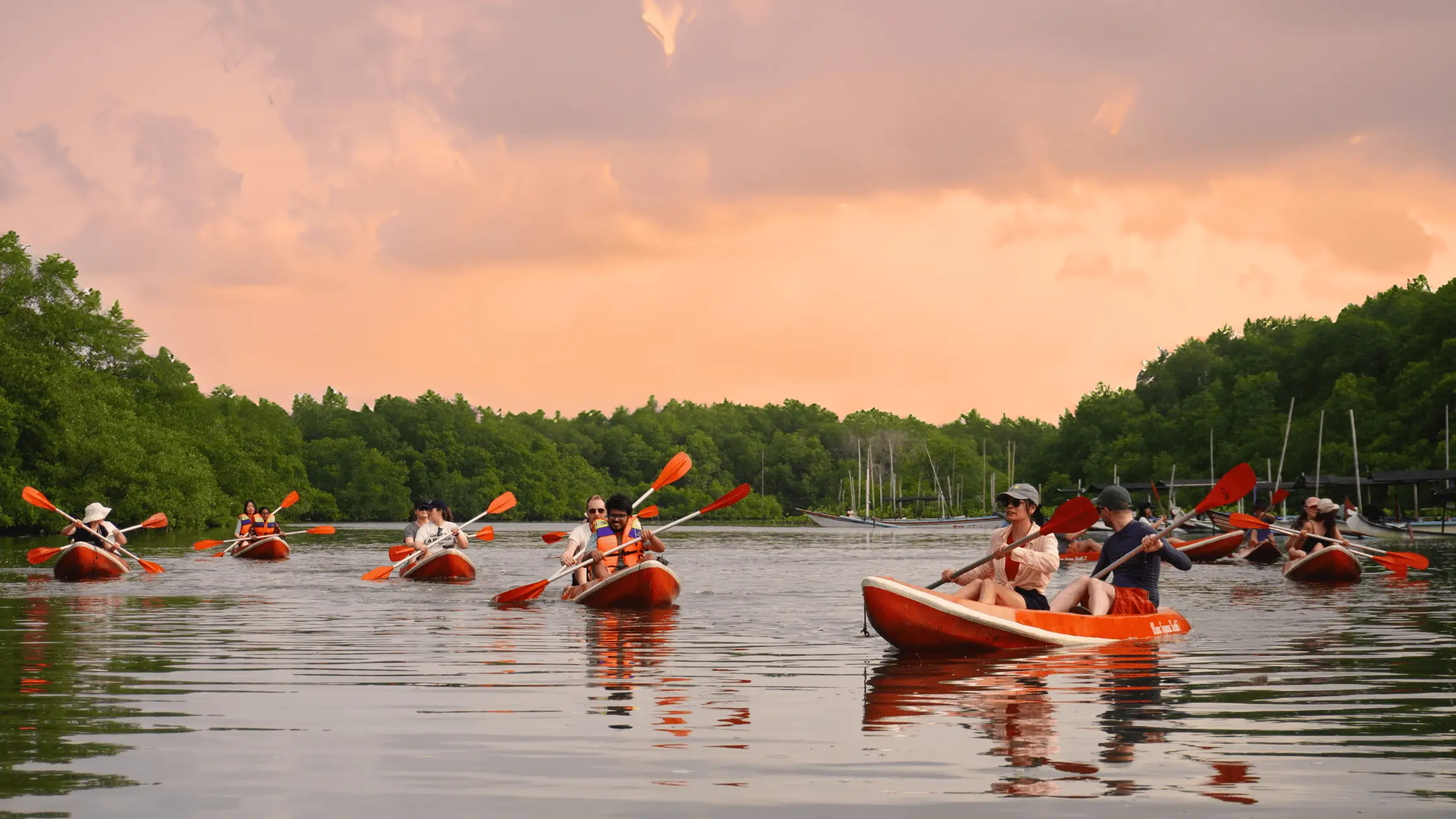
As the sun begins to set, the mangrove transforms into a tranquil world of soft light and gentle sounds consider group evening options with Bali Mangrove Adventure Evening Mangrove Canoe Tour for guided dusk departures. This tour offers a more relaxed pace, perfect for unwinding while observing nature during the transition between tides. It’s an ideal choice for groups who appreciate calm, reflection, and connection with nature.
3) Bali Tropical Snorkeling & Mangrove Cruise
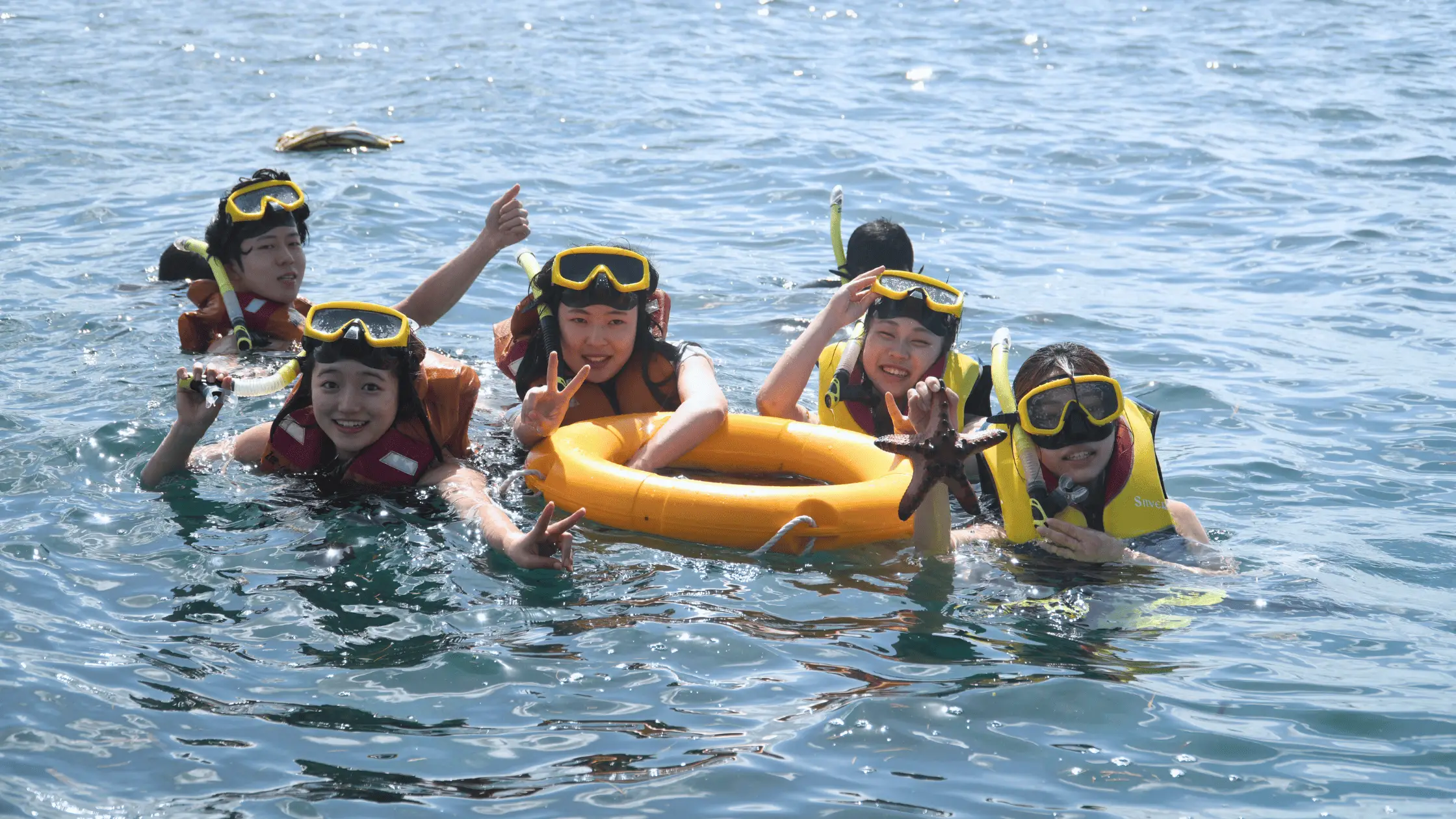
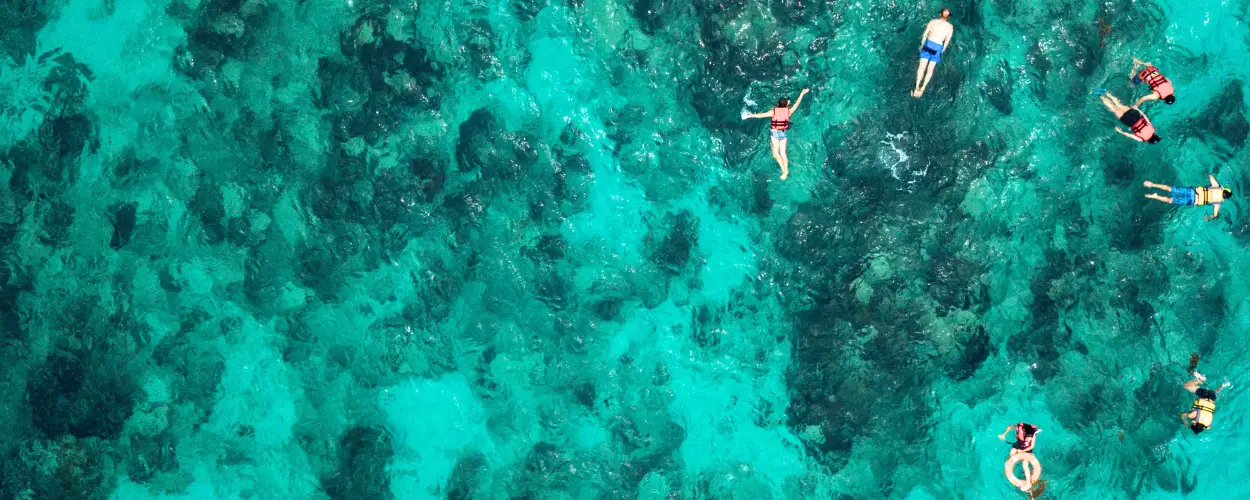
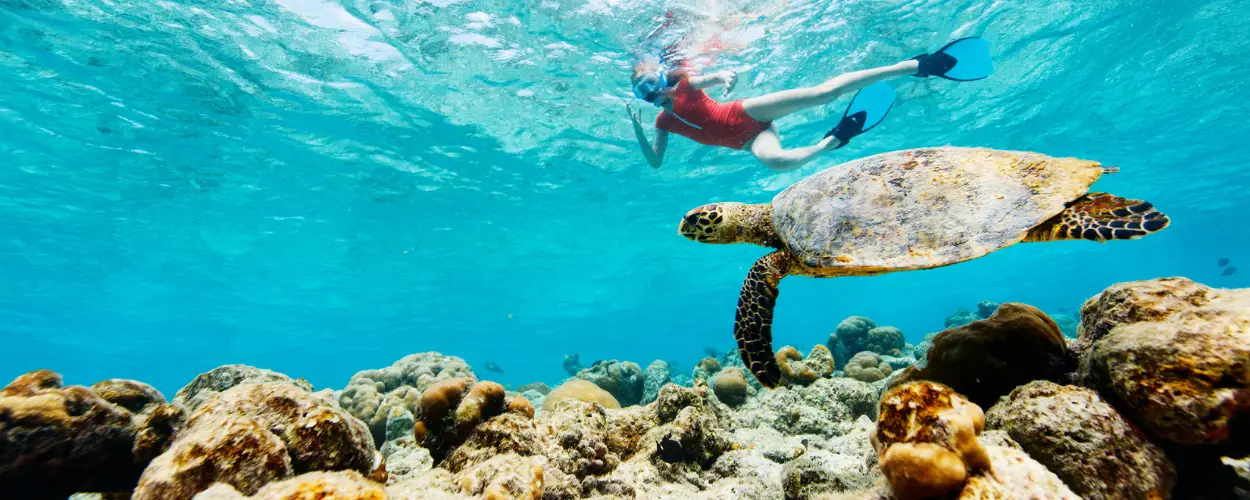
For those who want to explore both marine and coastal ecosystems, this combo tour combines snorkeling in a quiet bay with a Mangrove Cruise check group-friendly packages like Bali Mangrove Adventure Bali Tropical Snorkeling & Mangrove Cruise. Tanjung Benoa is a popular starting point for this tour, serving as a hub for eco-tourism activities in Bali. Participants can experience coral reefs up close before continuing into the mangrove forest to see how both habitats are interconnected a unique and balanced eco-adventure that pairs observation with stewardship.
4) Mangrove Planting Group Activity
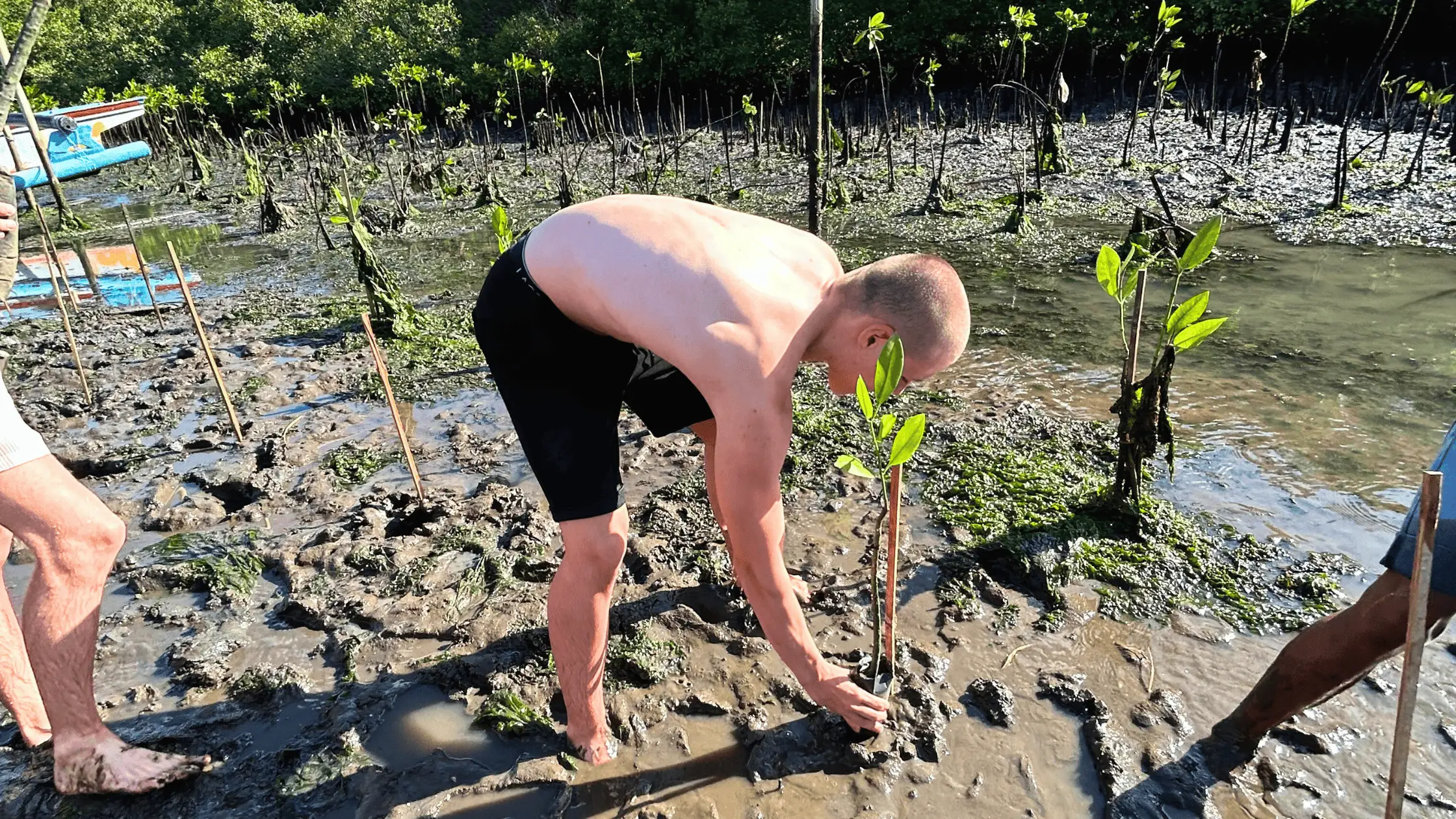
This hands-on conservation activity lets participants plant mangrove seedlings directly in the field; see organized volunteer sessions such as Bali Mangrove Adventure Mangrove Planting Bali for group arrangements. Guides explain planting techniques, the ecological role of mangroves, and how these trees protect Bali’s coastline from erosion. It’s an excellent activity for CSR programs, student trips, and community volunteers who want to make a lasting impact.
5) Sunset Cruise by Jukung + Seafood BBQ Dinner
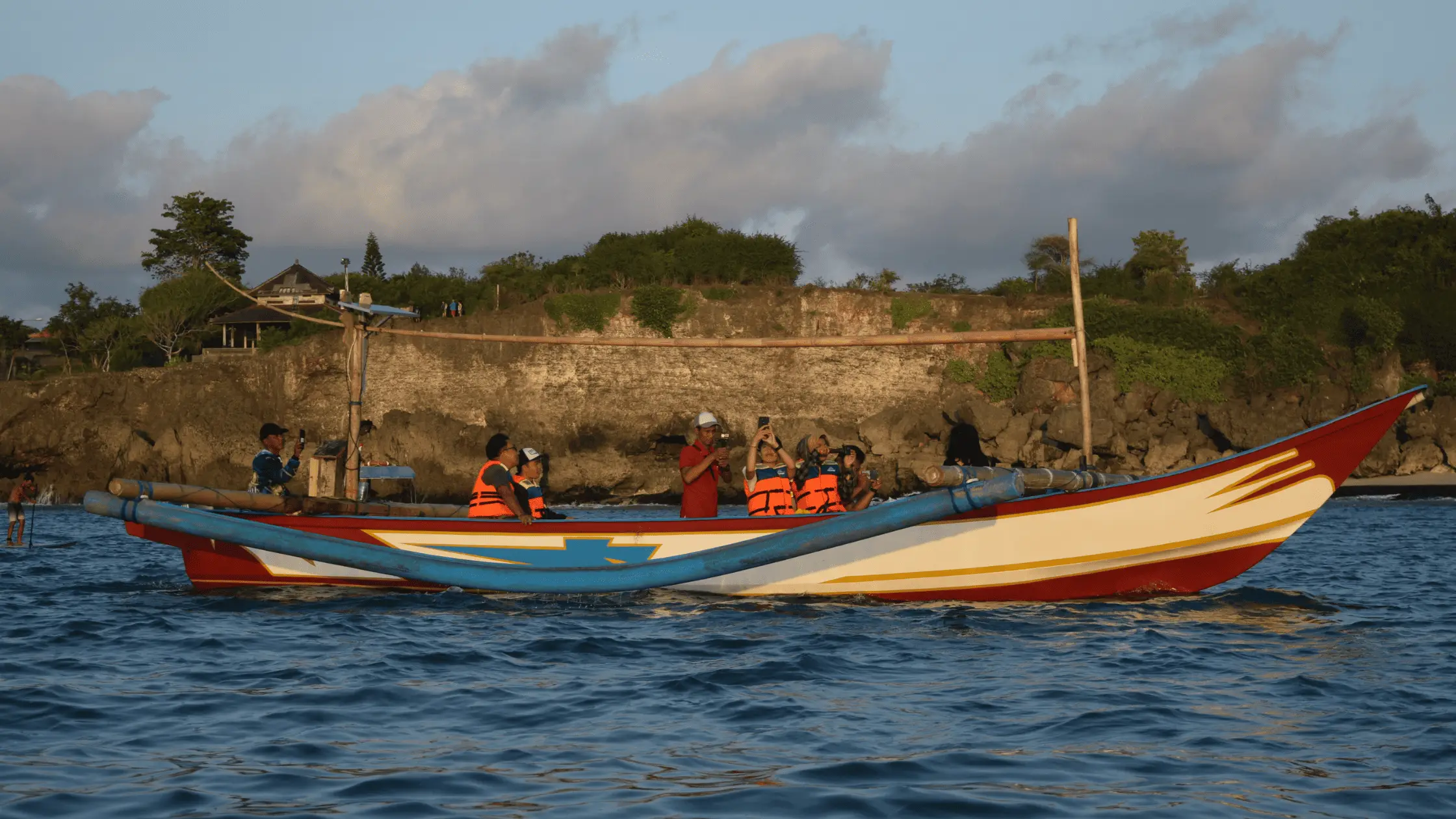
A relaxing cruise aboard a jukung offered, a traditional boat, is the perfect way to end the day for group options consider Bali Mangrove Adventure Sunset Cruise by Jukung. Enjoy sailing across Benoa Bay as the sky turns golden, then savor a Seafood BBQ dinner at a beachfront restaurant, where the food is a highlight of the experience. The experience combines cultural authenticity, scenic beauty, and slow-paced enjoyment ideal for groups seeking a memorable closing activity.
Sample Itinerary for a Half-Day Group Trip
A sample flow for a mangrove group trip could include a memorable vacation experience:
Pick-up from hotel or meeting point.
Safety briefing and ecosystem introduction.
Main activity: Mangrove Canoe, Snorkeling, or Mangrove Planting.
Refreshment or light meal break.
Group photo session and return transfer.
Each program can be customized depending on the group’s goals, duration, and focus from learning to relaxation.
Please note that the itinerary may be adjusted or rescheduled based on tide and weather conditions to ensure the safety and comfort of all participants.
Empowering Local Communities
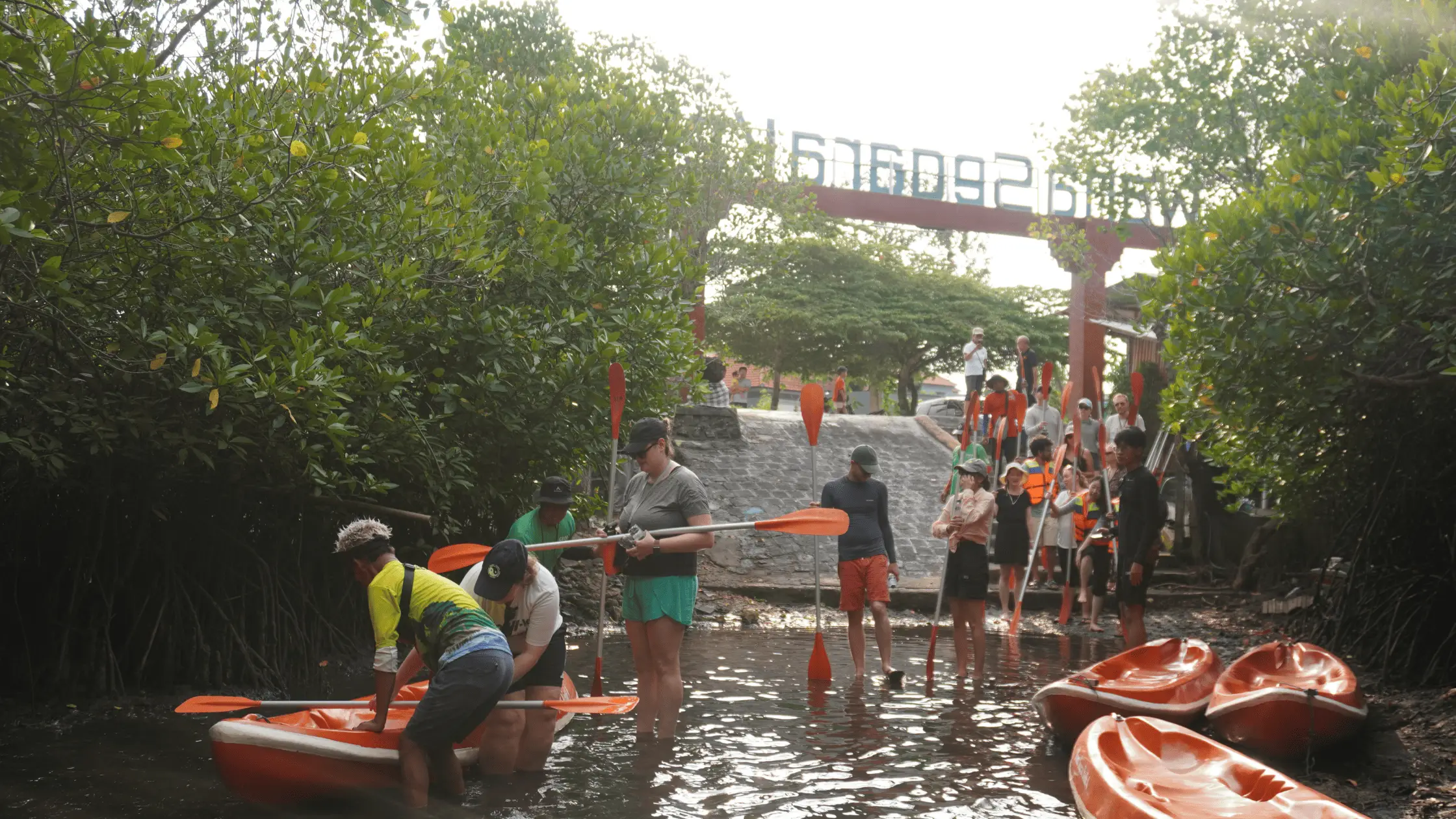
Beyond protecting nature, mangrove eco-tourism plays an important role in supporting local people. It creates direct income for guides, boat operators, and local vendors, while also stimulating small businesses such as homestays and local transport. Many programs reinvest a portion of tour revenue into mangrove restoration and education ensuring that the benefits are shared between people and the planet.
Safety & Accessibility

The Bali Mangrove area is easily accessible from Nusa Dua, Benoa, and Kuta. Local guides provide life jackets, safety briefings, and first aid kits. All activities follow weather and tidal conditions to ensure safety and comfort for every participant.
For your safety, please avoid wearing high-heeled shoes during the tour for safety reasons. We also recommend bringing sun protection such as sunscreen, hats, and sunglasses to protect against UV rays.
Our child policy requires a minimum age of 6 years and a maximum age of 65 years for participation. Insurance covers all participants within this age range, including shuttle transportation and tour activities.
Supporting Sustainability Through Eco-Education
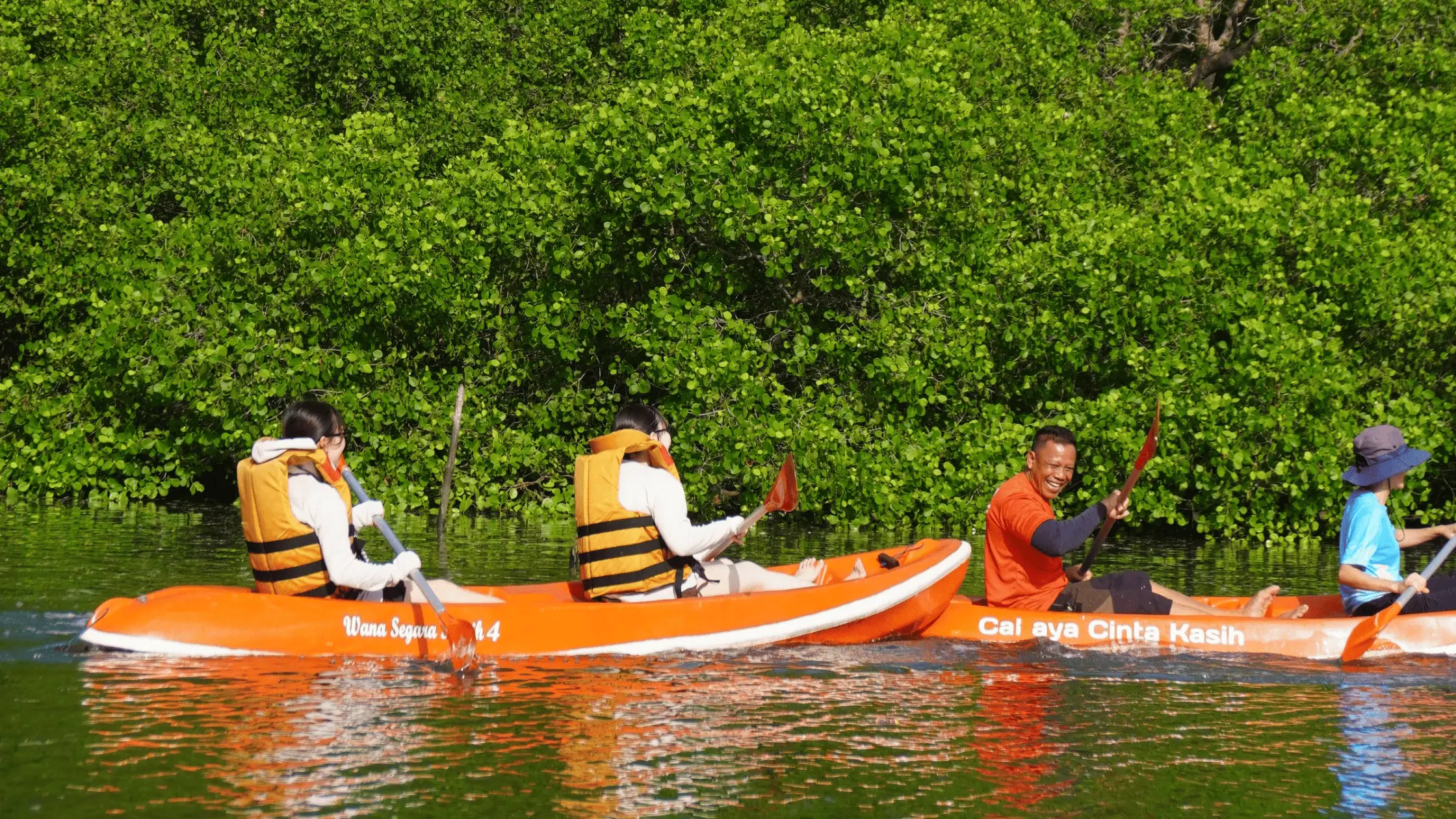
The Bali Mangrove Adventure area isn’t just a tourist attraction it’s a living classroom. From the Mangrove Tour to Mangrove Planting Bali, each activity encourages awareness of how mangroves protect the coastline, store carbon, and support marine biodiversity. By joining these responsible tours, visitors contribute to preserving one of Bali’s most vital ecosystems.
Aligning with Sustainable Development Goals
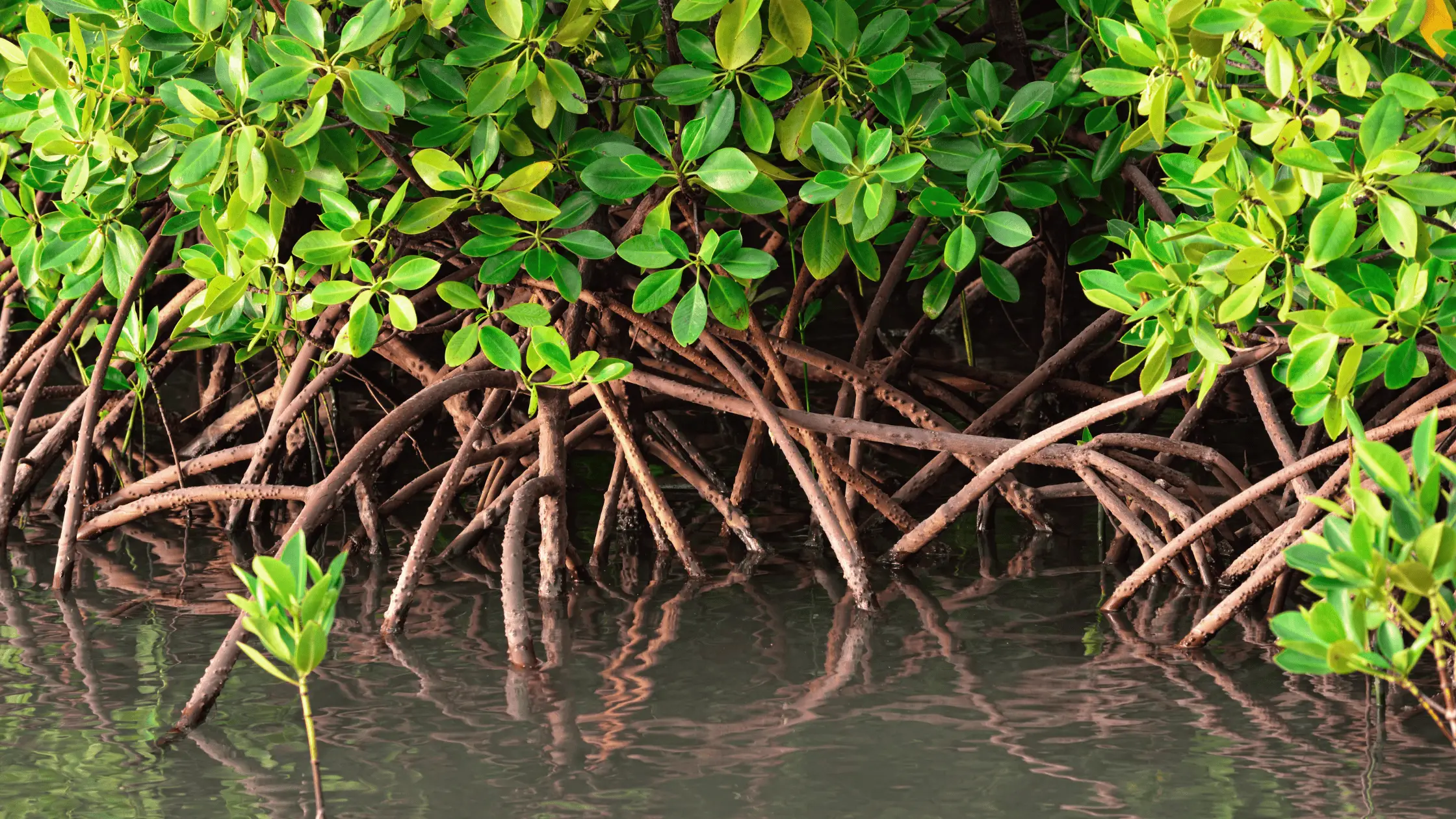
Image by znm from Getty Images
Mangrove conservation aligns with UN Sustainable Development Goals. Mangroves support climate action (SDG 13) by storing carbon, life below water (SDG 14) by providing habitat, and life on land (SDG 15) by protecting biodiversity and stabilizing coasts. Collaboration among communities, conservation groups, and operators ensures activities support the coast and local livelihoods.
When you join a Bali Mangrove Adventure, you’re enjoying an eco tour and contributing to sustainability efforts. This collaboration supports coastal health, protects ecosystems, and advances global sustainability goals.
Conclusion

Group trips to the Bali Mangrove offer more than just outdoor fun they’re meaningful experiences that combine learning, relaxation, and contribution to nature. Whether through a Mangrove Canoe, a peaceful Mangrove Tour, or a hands-on Mangrove Planting Bali session, every activity connects participants with the real heart of Bali’s environment. It’s a gentle reminder that travel can be both enjoyable and sustainable leaving not just memories, but a positive impact behind.



comments