 EN
EN JP
JP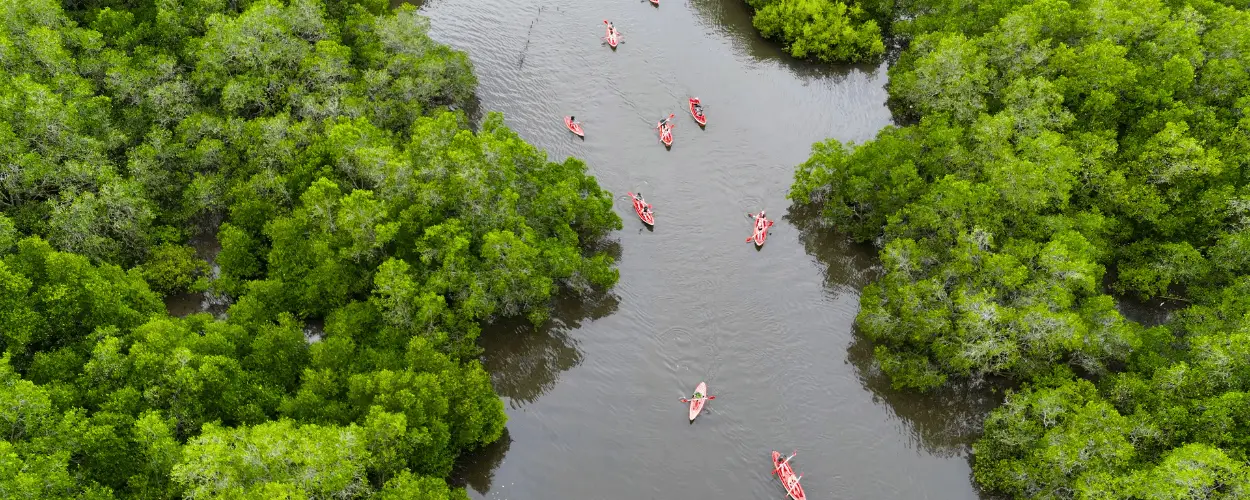
Timing shapes everything about a mangrove canoe tour in Bali's Jimbaran Area: water depth, current, light, and wind. If you plan around the local tide and season, you’ll find deeper channels, fewer root snags, and easier paddling. A practical rule is to start about 60–90 minutes before local high tide so you ride the rising water and finish near slack. Always check conditions: tides and weather can affect itineraries, and tours may be rescheduled or canceled for safety.
Introduction to Canoeing
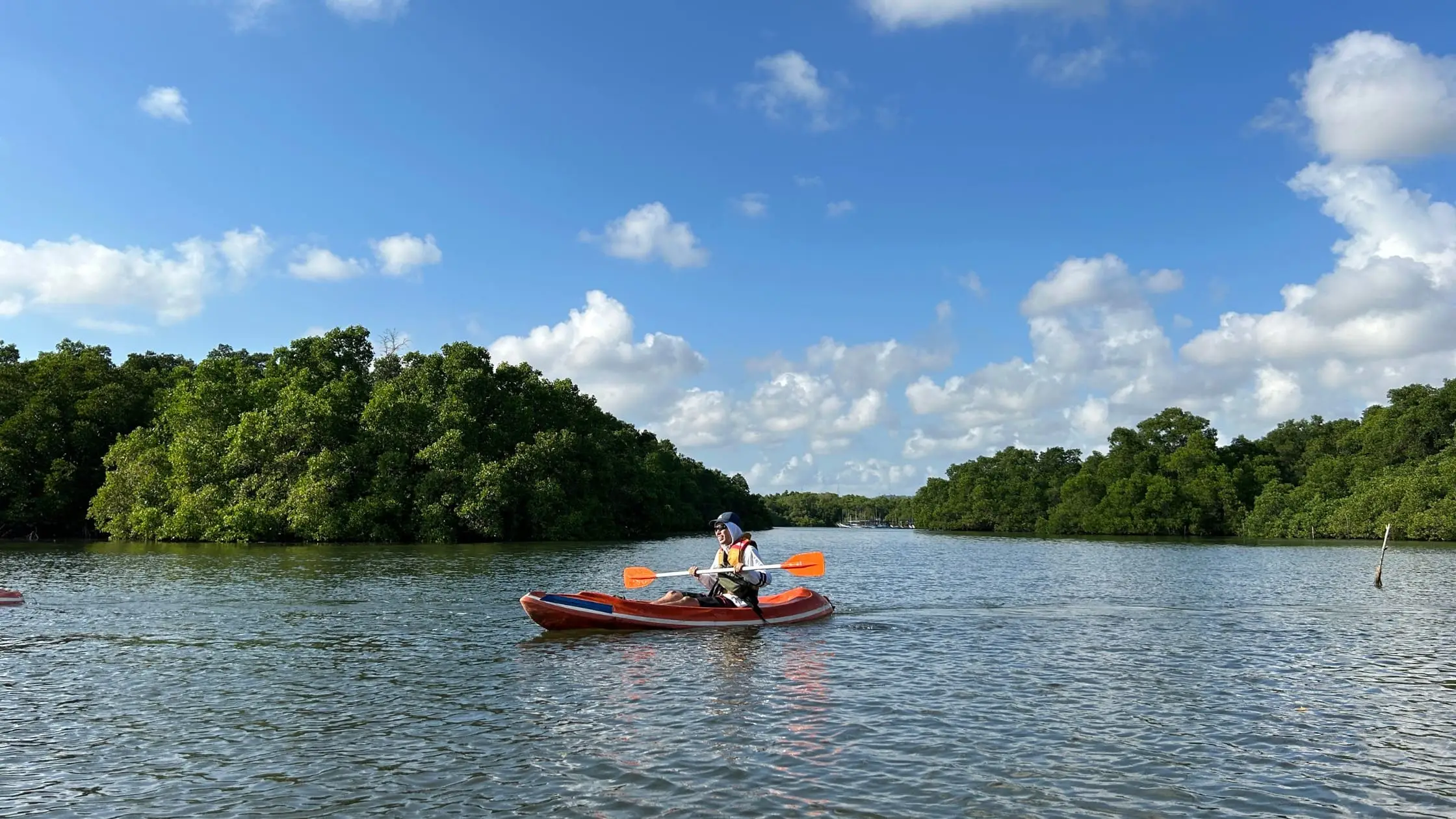
Canoeing through Bali’s mangrove forest is more than an outdoor activity it’s an invitation to explore a living system where nature, culture, and conservation come together. You’ll glide through quiet green corridors, surrounded by layered foliage and the calls of mangrove wildlife, while learning how this habitat protects coastlines and supports local life. The experience blends gentle adventure with sustainability and a grounded respect for Bali’s natural beauty.
Guided by a knowledgeable expert, you’ll gain insight into the ecosystem fauna, tidal rhythms, and the cultural stories tied to the bay. Expect low-impact movement and practical teaching: how tides shape your route choices, basic paddle skills, and etiquette to reduce disturbance. Life jackets are provided; minimum/maximum age rules and insurance support a safer experience for families. Hotel pick-up is available from Kuta, Legian, Tuban, Sanur, Jimbaran, Tanjung Benoa, and Nusa Dua, with other areas upon request (fees may apply). Many tours meet and end at Wana Segara Kertih, Jimbaran.
Why Timing Matters in the Mangrove
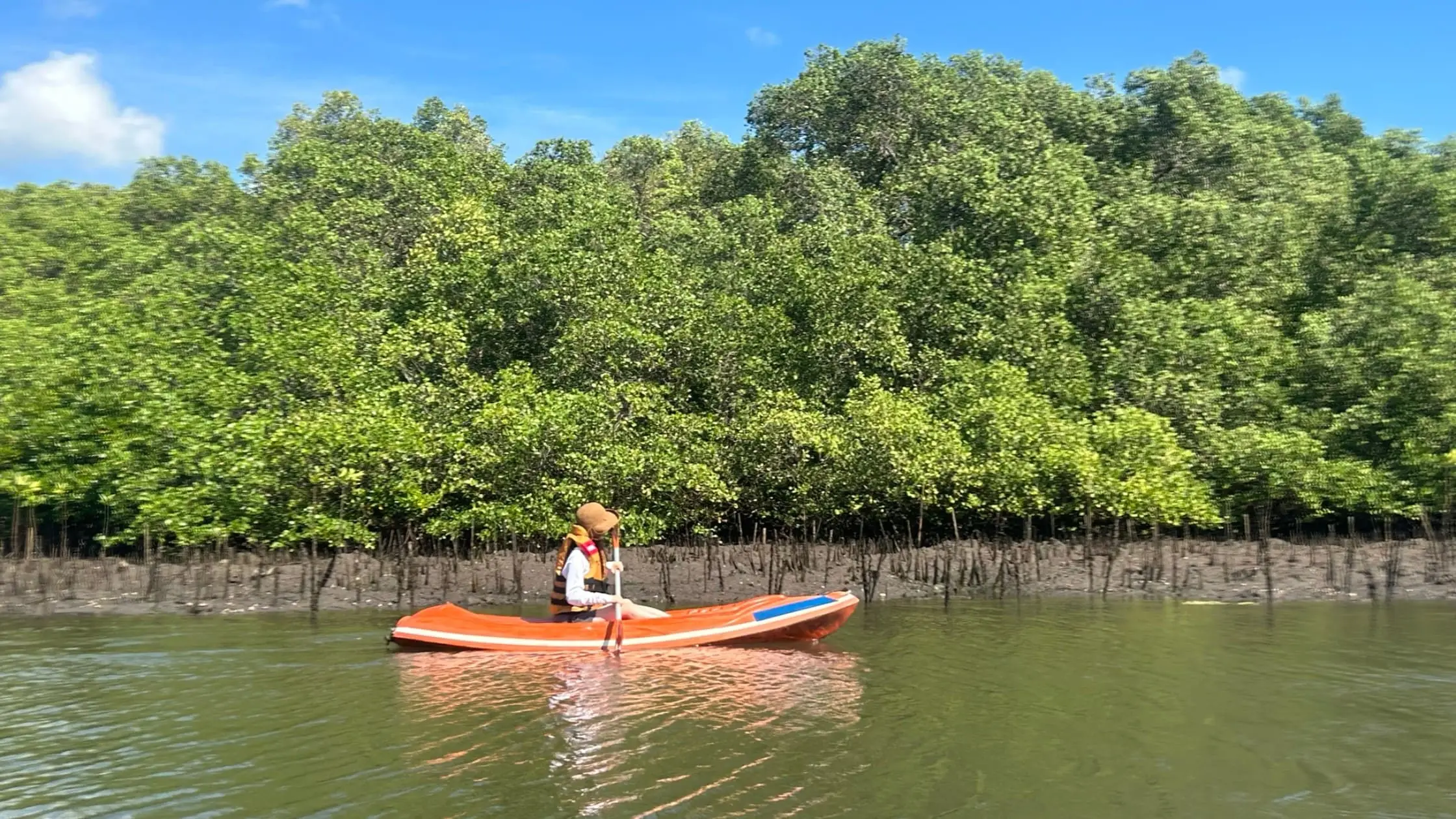
Water depth & root clearance. Near high tide, channels carry more water so your canoe can clear aerial roots more easily. At low tide, side creeks shrink or expose mud banks—expect more stops.
Current in narrow channels. Currents ease near slack (just before/after high tide). Outgoing flow speeds up through tight cuts at low water, which can challenge beginners.
Wind & rain. Mornings are often lighter; wet-season showers tend to build later in the day.
Light & heat. Early hours bring softer light and lower heat. Late afternoon offers warmer light; finish before dark unless you join an approved evening or night program.
Wildlife moments (not guaranteed). Quieter, cooler hours can mean more bird calls and visible intertidal life.
Mosquito reality. Dawn/dusk bring more bites. Wear long sleeves and apply repellent on shore; choose mineral sunscreens (non-nano zinc/titanium).
Month-by-Month Guide
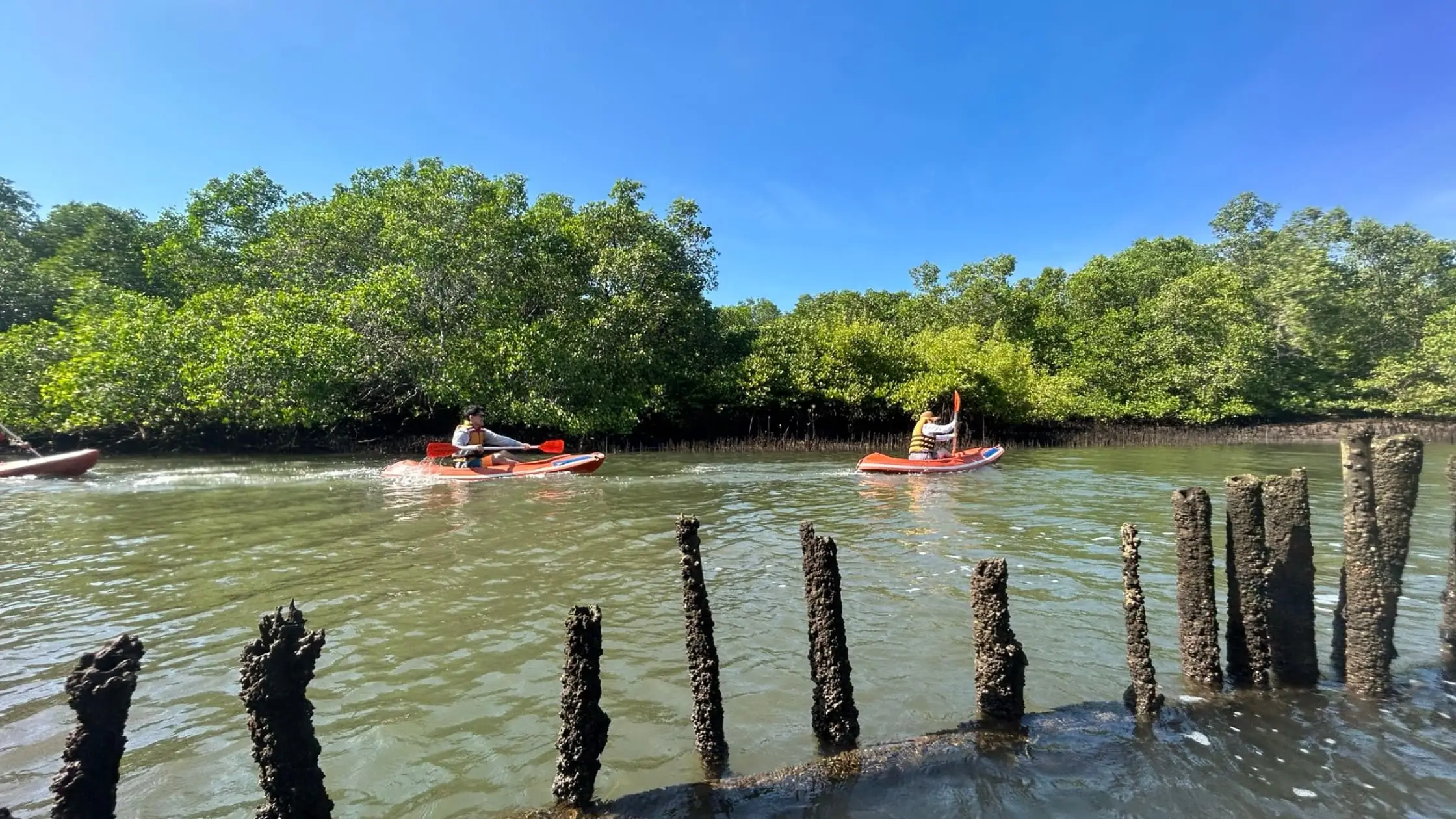
(Expectations vary; operators adjust to tide and weather.)
January. Peak wet season; frequent showers, sometimes heavy. Mornings favored; debris possible after storms.
February. Wet-season intensity can persist; calm pockets near sunrise; tea-colored water after downpours.
March. Rains start easing late month; mornings are often best.
April. Transition month with clear mornings and passing showers.
May. Start of dry season; comfortable mornings great for first-timers.
June. Dry and stable; gentle morning breezes; stronger midday sun hydrate and film early.
July. Popular month (school holidays); trades can freshen by midday; earlier starts help.
August. Similar to July; request small groups and early slots.
September. Mostly dry; occasional late-month showers.
October. Transition back to wet; scattered late-day showers.
November. Wet season re-establishes; mornings remain practical when tides align.
December. Rainier weeks; mornings best; holiday demand is high.
Time of Day and Tide Playbook
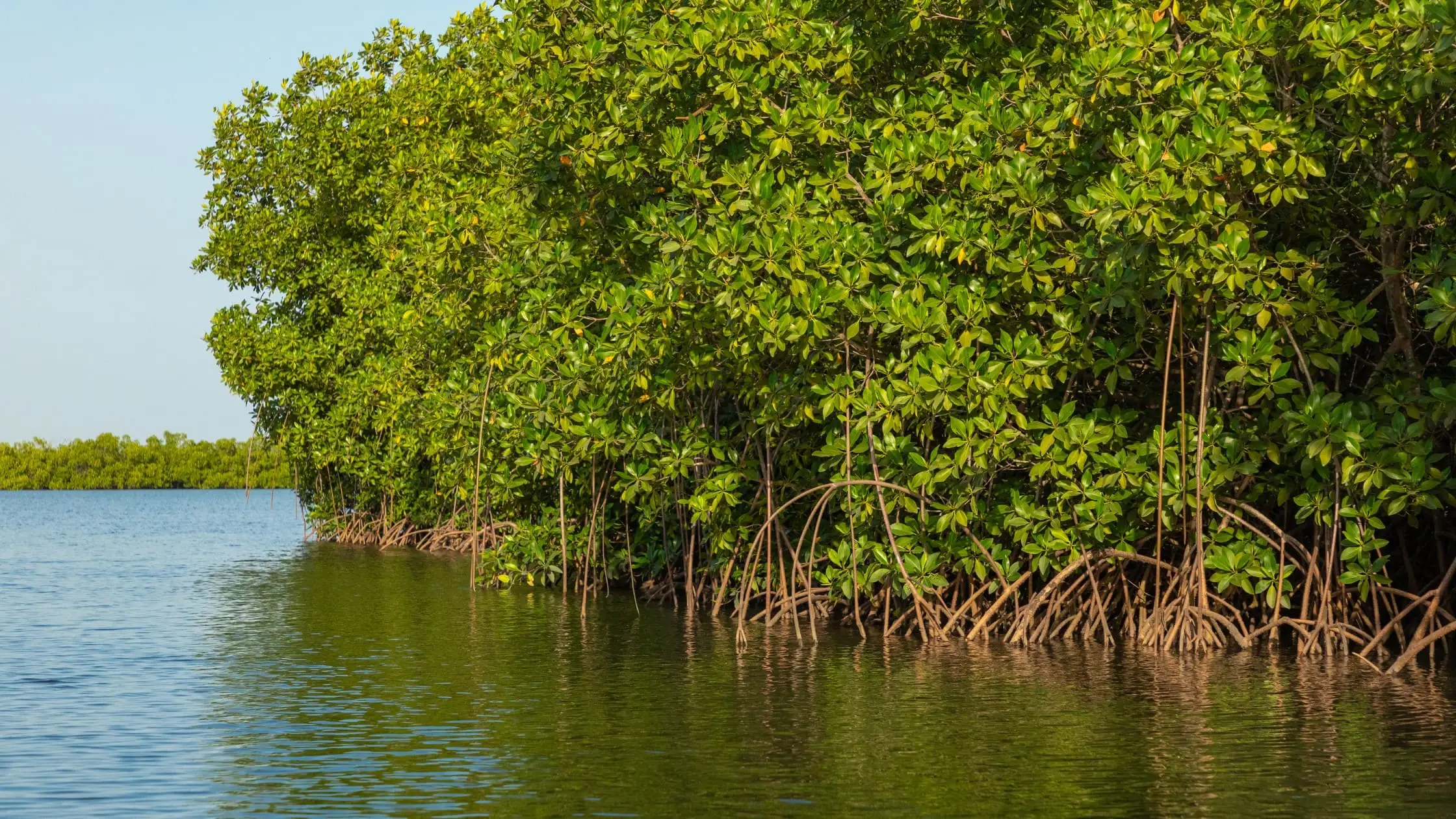
Image by mariusz_prusaczyk from Getty Images
How to use our tide update. Check the Bali Mangrove Adventure tide update for daily high/low tides and suggested morning windows.
Rules of thumb (operations-based):
Novice: Paddle within ~±90 minutes of high tide.
Experienced: ±120 minutes is workable; avoid tight cuts at dead low.
Low tide: Expect more exposed roots and shorter routes.
When It’s Low Tide: Try Mangrove Planting
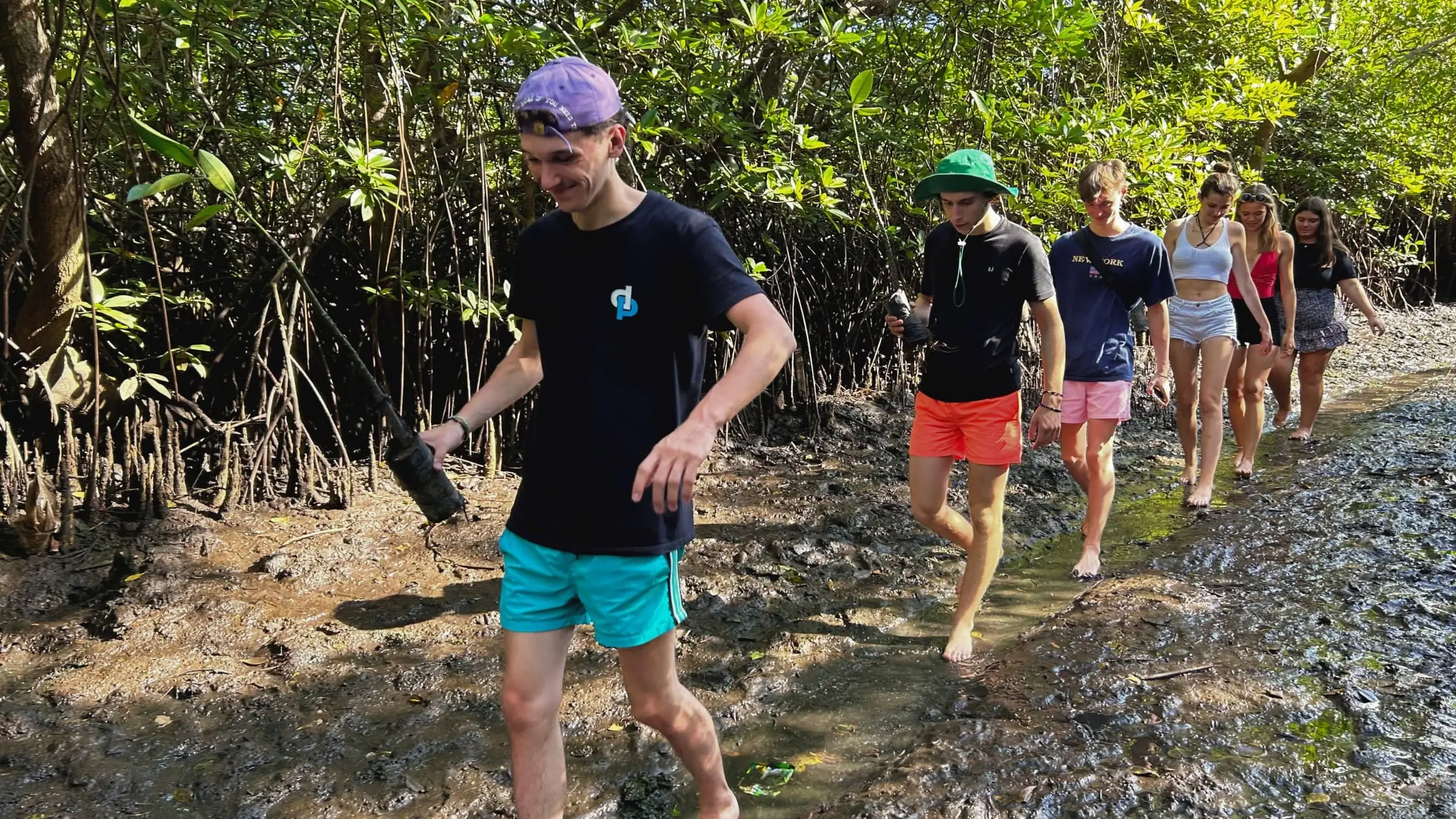
Visiting the Bali mangrove forest during low tide offers a unique way to connect with nature and support local sustainability efforts. As the water level drops and mangrove roots become visible, visitors can join eco-friendly activities in Bali such as mangrove planting, a hands-on way to help restore and protect coastal habitats. These programs are often organized by local communities and conservation groups around the Bali mangrove area, giving travelers a meaningful opportunity to give back while exploring nature.
Taking part in mangrove planting not only deepens your understanding of the ecosystem but also reflects the same values behind sustainable travel in Bali.
Sustainable Travel in Bali: Why Choose a Mangrove Canoe Tour
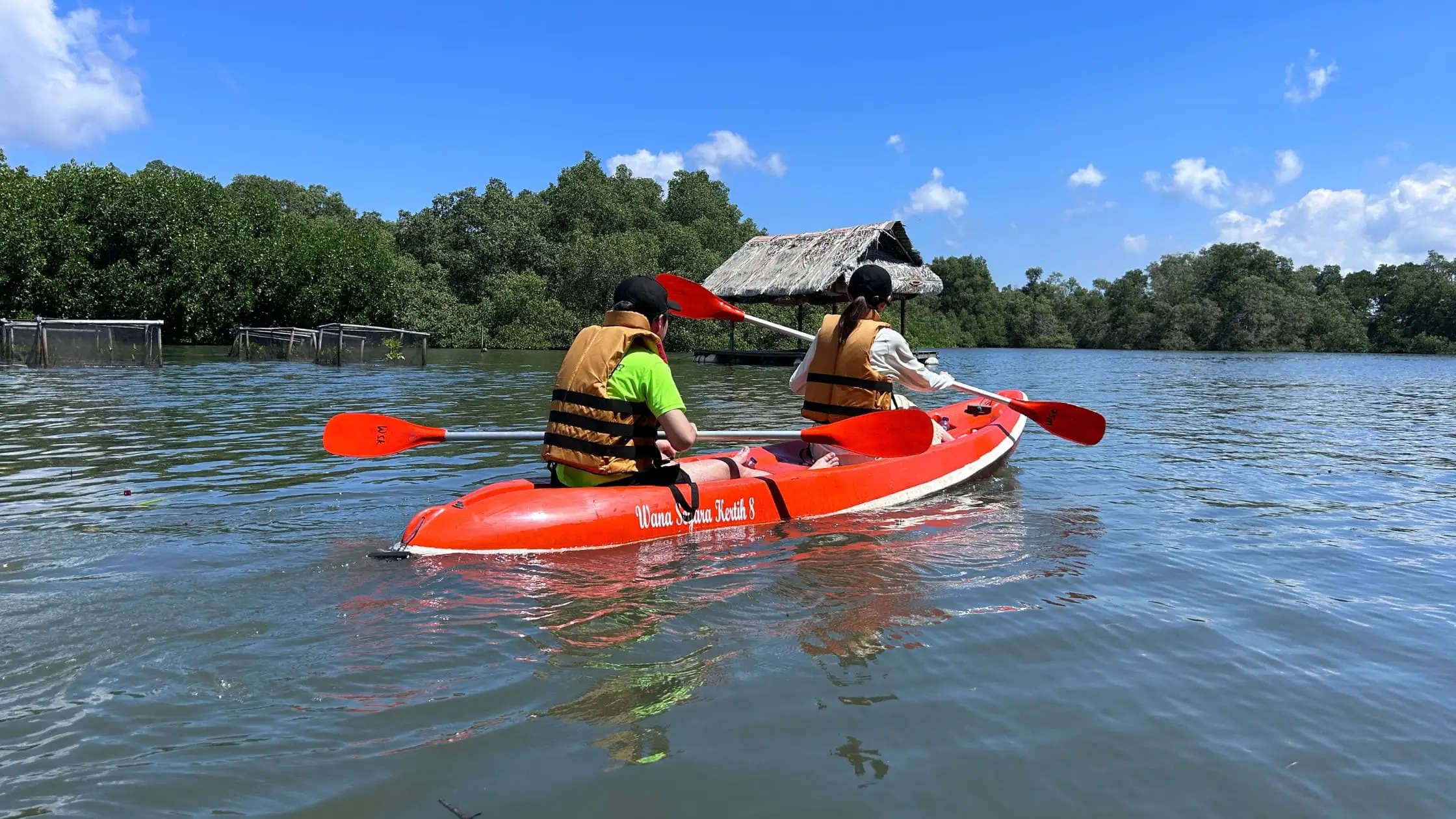
Choosing a Mangrove Canoe in Bali’s Benoa Bay is a low-impact way to explore the mangrove forest while practicing responsible tourism. Guided tours move quietly through sheltered channels, minimizing disturbance (sightings not guaranteed) and reducing wake compared with motorized trips. It’s an immersive journey that deepens your connection to Bali’s unique ecosystem and supports conservation efforts.
You’ll learn tide-aware timing, basic safety, and simple etiquette—no touching roots, pack-in/pack-out, mineral sunscreen—so the experience stays eco-friendly and community-minded. This slower, sensory pace reflects sustainable travel in practice: small groups, calm water, practical nature learning, and respect for habitats. By joining these tours, you help support sustainable tourism initiatives that benefit both the environment and local communities.
Bali’s Mangrove : What It Feels Like on the Water
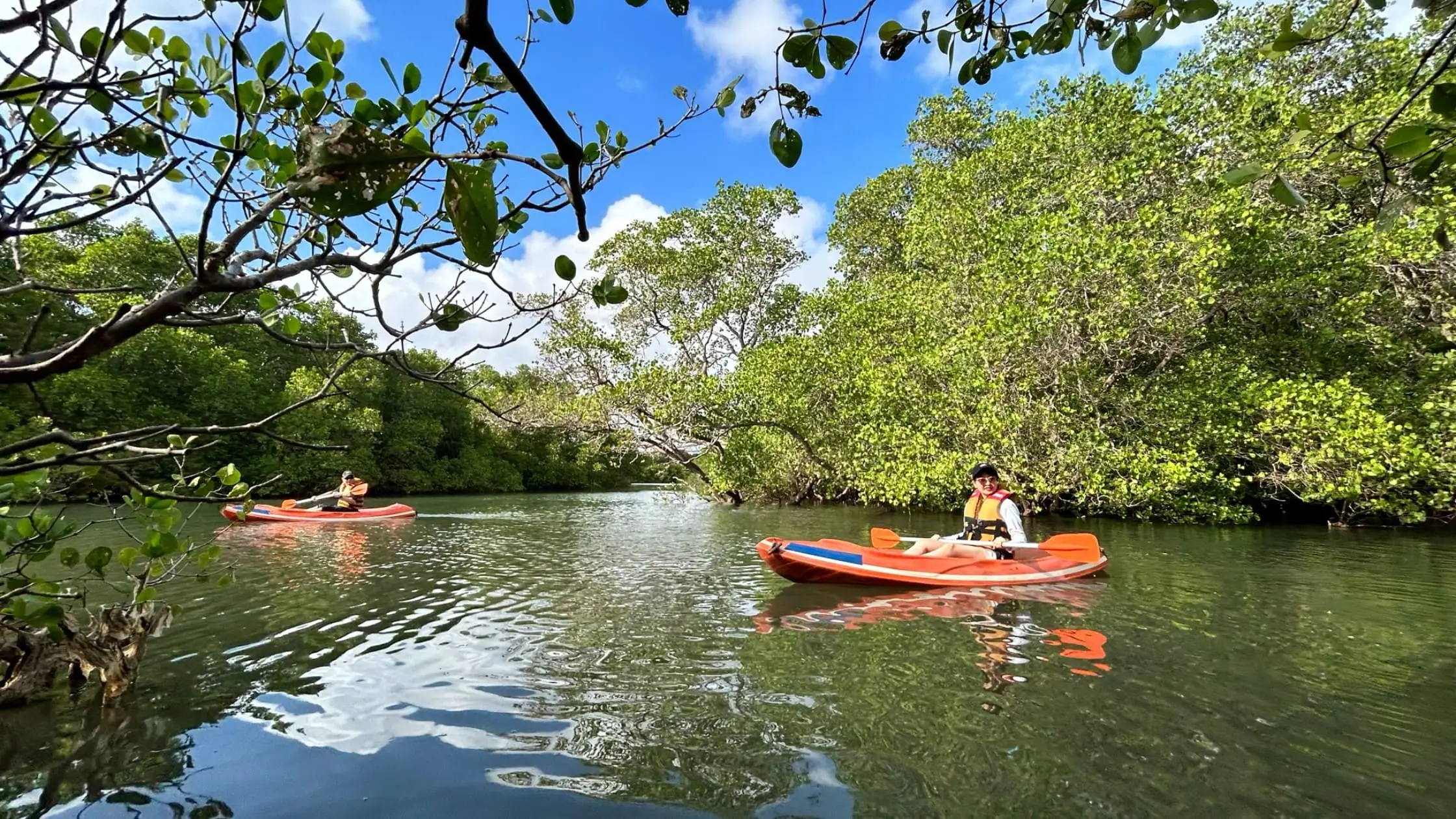
Experience the calm of sheltered channels just minutes from many South Bali hotels, where quiet green corridors create space to learn and look. Led by a knowledgeable guide, you’ll see how mangroves protect shorelines and support coastal life, all while taking in Bali’s natural beauty from the water.
The pace is unhurried, the water generally calm, and voices low to respect wildlife and other guests. It’s a wonderful experience to share with loved ones.
Route Options and What to Expect
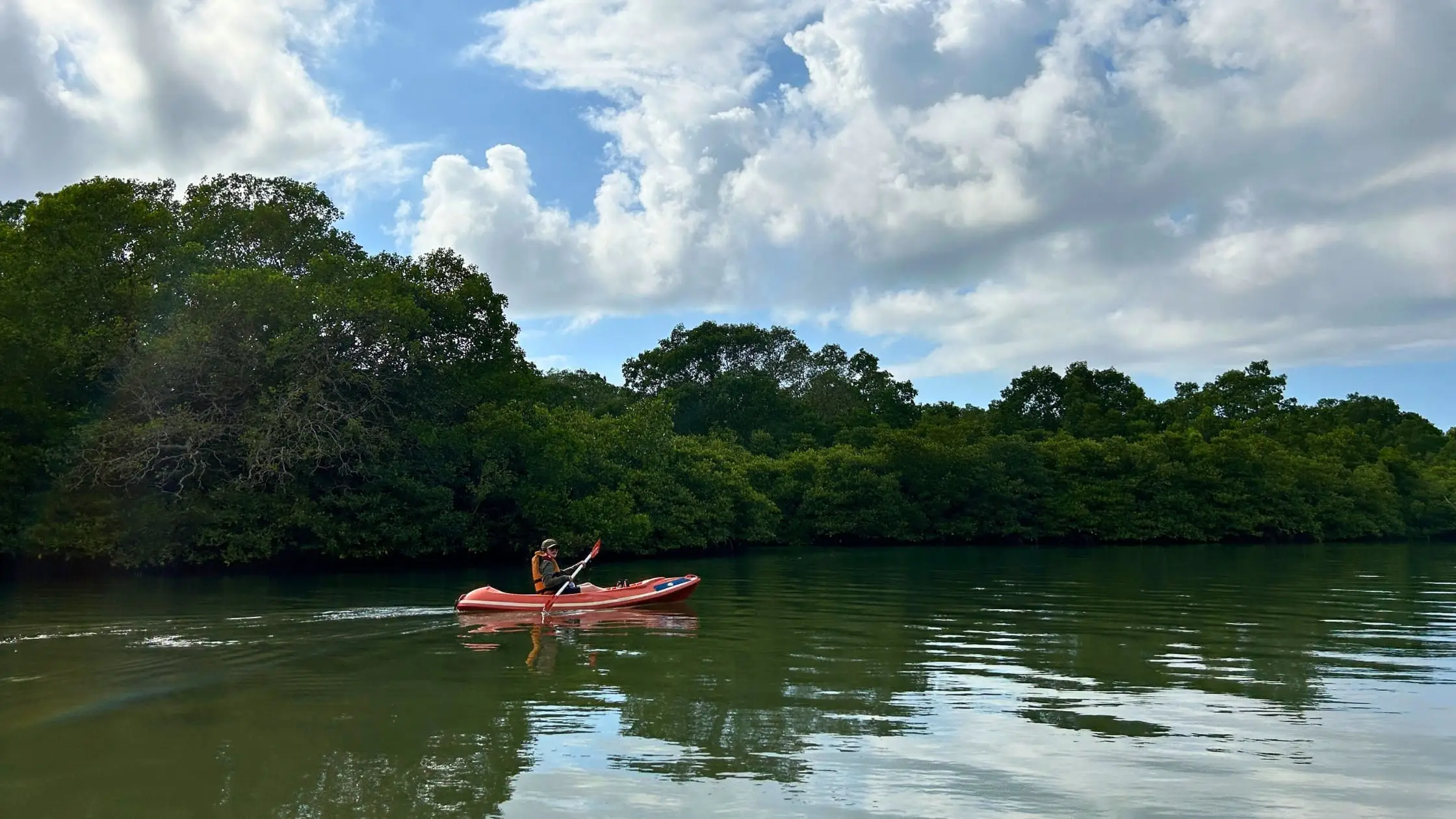
Where tours launch. Many licensed operators use Kedonganan/Wana Segara Kertih on the Jimbaran Area transfers from South Bali are common. The mangrove tour experience often begins here, offering an immersive journey through Bali’s unique ecosystem. Each tour invites you to personally explore and support the mangrove environment, making it a special opportunity to connect with nature and contribute to conservation.
Distance & duration. Typical guided loops: 3–5 km of sheltered channels over 60–90 minutes paddling; about 2–3 hours total with briefing/transfer.
Skill & fitness. Flatwater paddling suitable for beginners. Operators provide life jackets and a basic briefing.
What you’ll see. Narrow green corridors, 2–10 m-wide channels, occasional small-boat traffic, and intertidal life. On evening or night tours, you may observe nocturnal animals such as crabs, as well as other mangrove wildlife including birds and fish, highlighting the rich biodiversity of the area. Some evening tours conclude with a seafood dinner, allowing guests to enjoy local cuisine under the stars.
Authentic experience. Some tours use a traditional boat, enhancing the cultural and eco-friendly ambiance of the mangrove tour.
Sustainability and Etiquette Guide
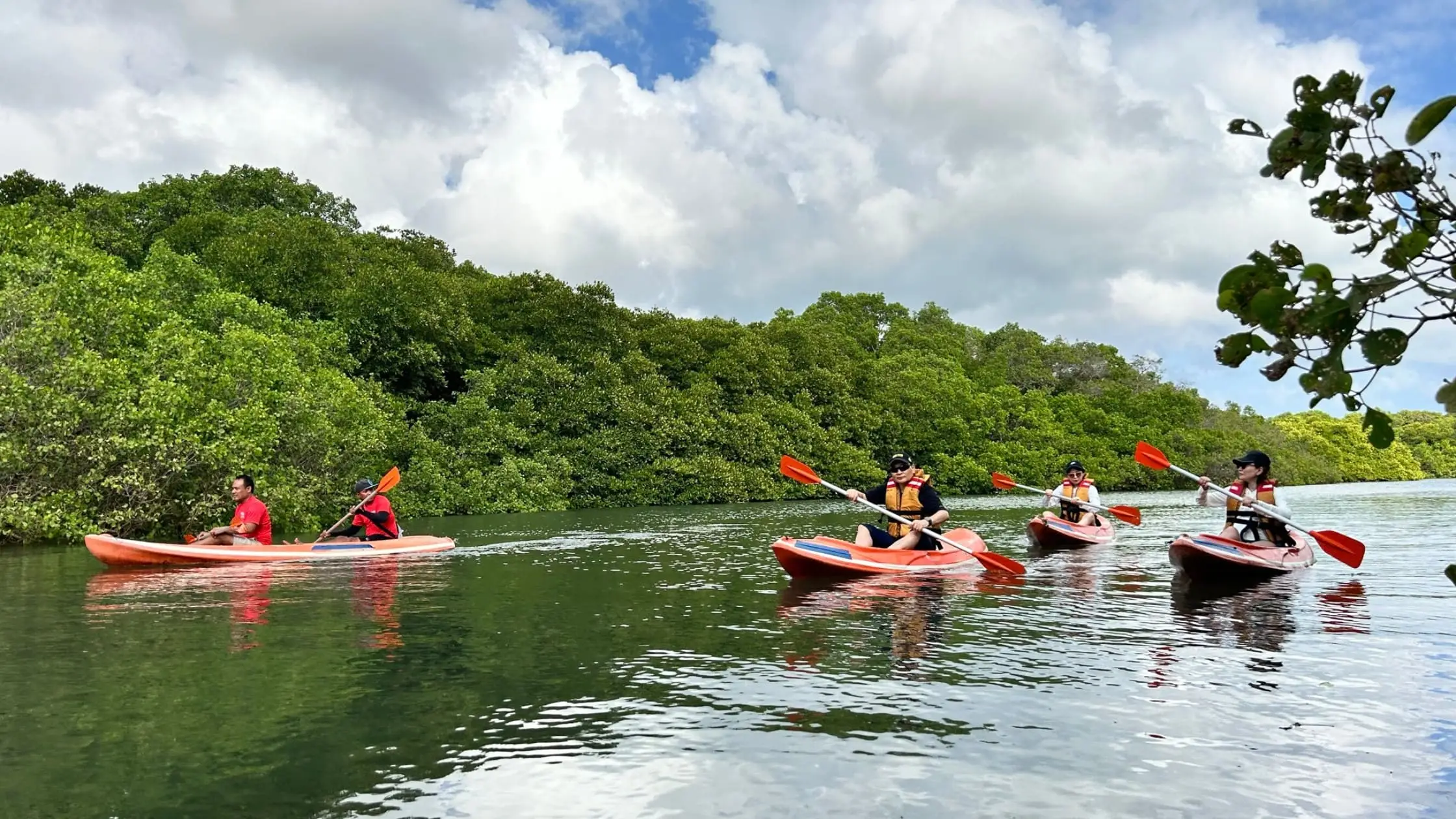
Keep groups small and spaced, and let others pass on tight bends.
Speak softly; sound carries over water.
Do not touch or stand on roots.
Do not feed wildlife.
Use clothing coverage and mineral sunscreen (non-nano zinc/titanium); apply repellent on shore and let it dry.
Pack-in/pack-out; secure microtrash in a small zip bag.
Choose operators with trained guides, clear safety briefings, PFDs, insurance, tide-aware scheduling, and community partnerships.
Safety, Requirements, and Accessibility
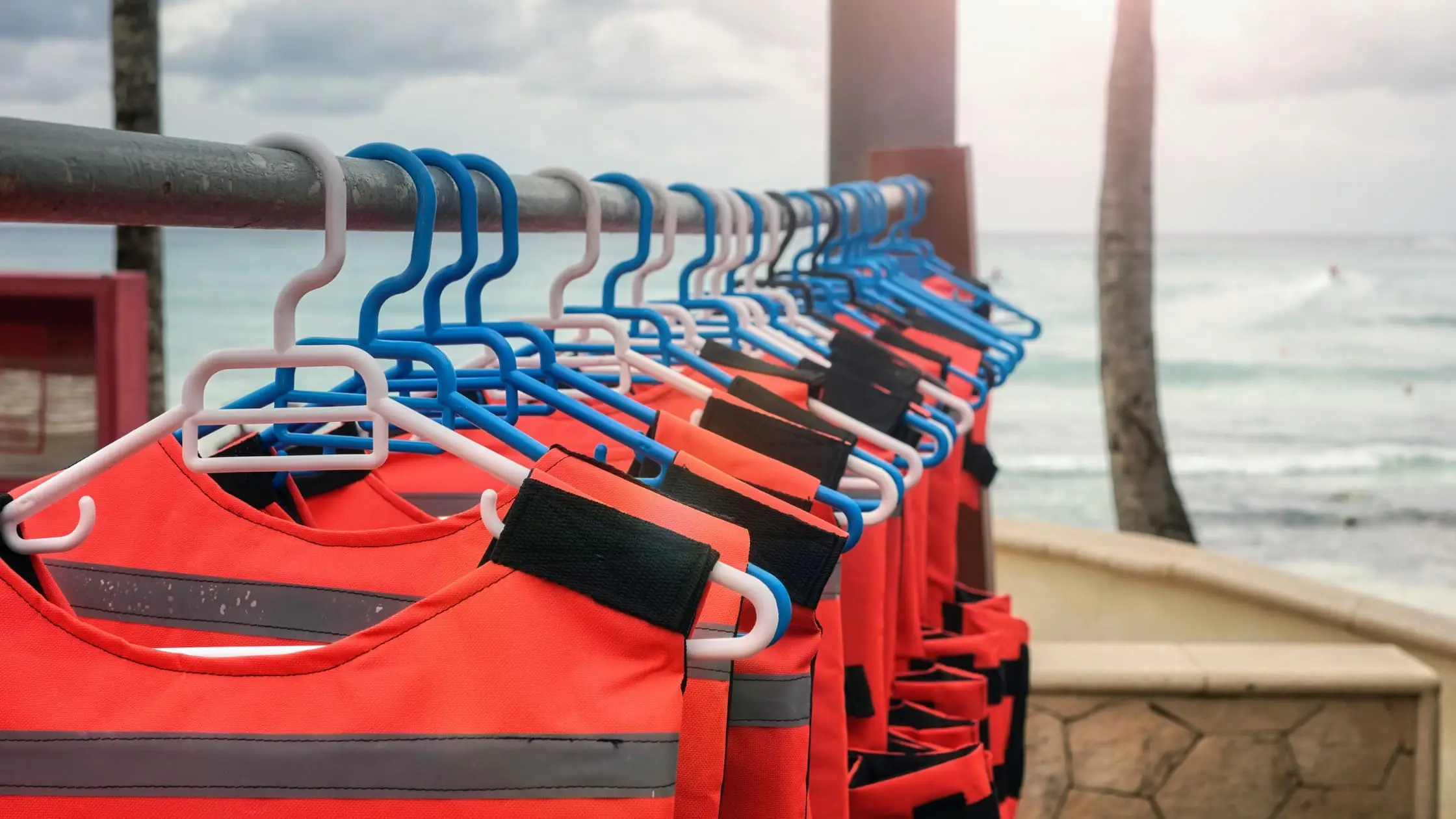
Image by Maciej Bledowski from Maciej Bledowski
Hazards to watch. Sun/heat, dehydration, slippery ramps, shallow roots at low tide, occasional boat wakes. Guides mitigate with route/tide choices.
Gear provided/needed. PFDs (provided), paddle, dry bag/phone pouch (often provided), drinking water, insurance. Bring secure footwear, hat, long sleeves, and 1–2 L water.
Who should skip or shorten. Recent mobility/balance injuries, late-term pregnancy, or heat sensitivity opt for shorter routes or a mangrove cruise alternative.
Families. Minimum age requirements apply; many operators often insure participants roughly ages 5–65 confirm child-size PFDs and policy details with your operator. The child policy typically requires children to be between 5 and 11 years old to participate, with specific safety and insurance considerations in place.
Weather & rebooking. In wet months, heavy rain or lightning can cancel or shorten trips. Most operators reschedule first; check your voucher/policy.
Planning Your Mangrove Canoe Tour
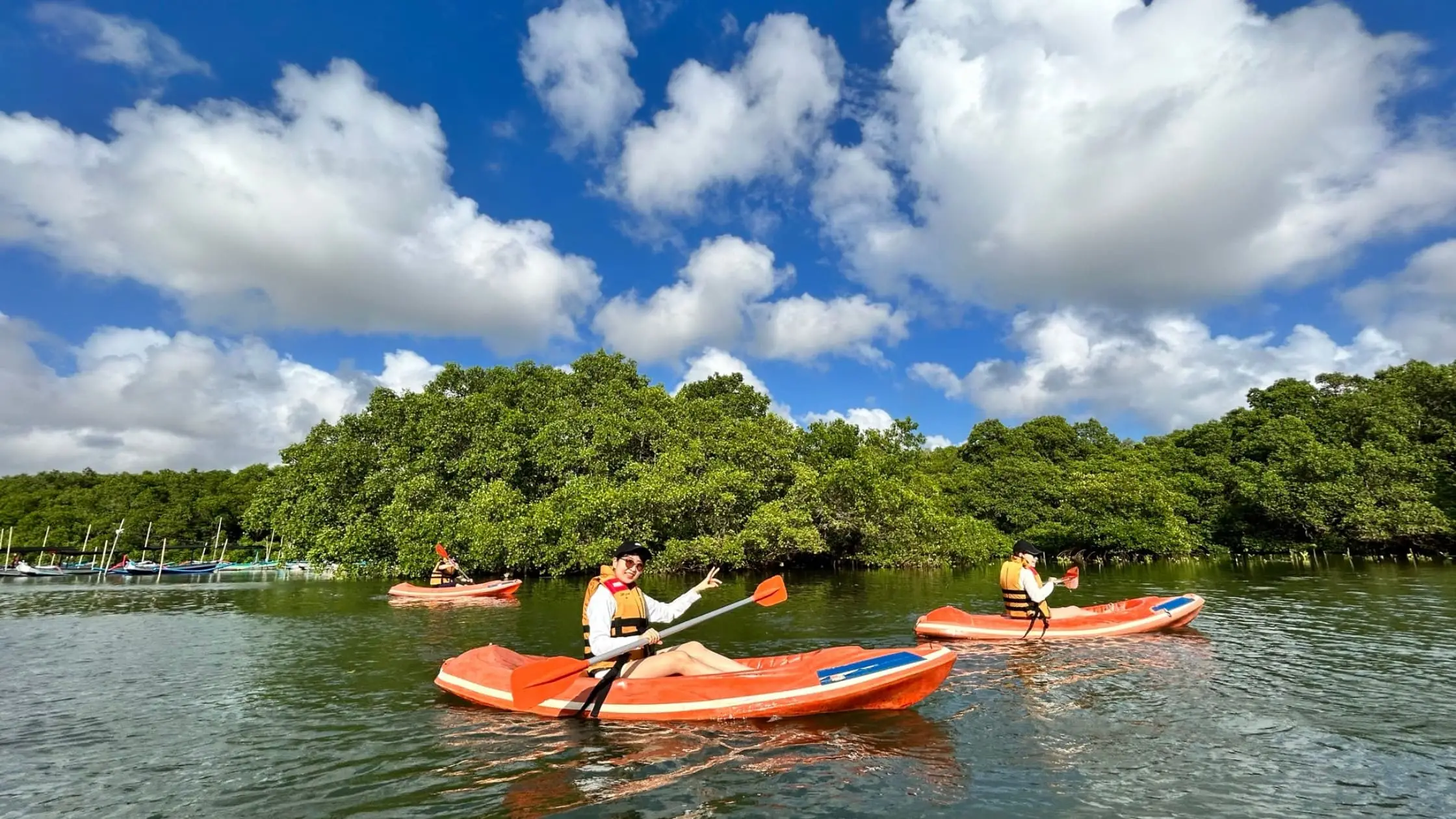
After knowing what the route is like and what to expect on the water, the next thing you’ll probably wonder about is how to plan your trip — including the cost, booking details, and what’s covered in each tour.
Price (as of Oct 2025)
The Day Mangrove Canoe Tour by Bali Mangrove Adventures is around IDR 750,000 per person. This package offers a complete and worry-free experience with all essentials included for comfort and safety.
What’s Included
Each tour includes:
Tour guide (licensed local guide)
Complete canoeing equipment
Life jacket
Bottled water
Insurance
Hotel pick-up and drop-off (optional, from central areas)
Donation to mangrove conservation
Some evening options may also include dinner or conservation-focused activities.
Additional Information
Pick-up coverage: Pick-up is available from centrally located hotels. Additional fees may apply for other areas.
Insurance & guide certification: All tours include accident insurance and are led by certified, experienced local guides to ensure guest safety and professionalism.
Park or conservation fees: Guided tours already include relevant donations to mangrove conservation programs. For independent visits, please confirm current fees and access details through official channels.
Getting There
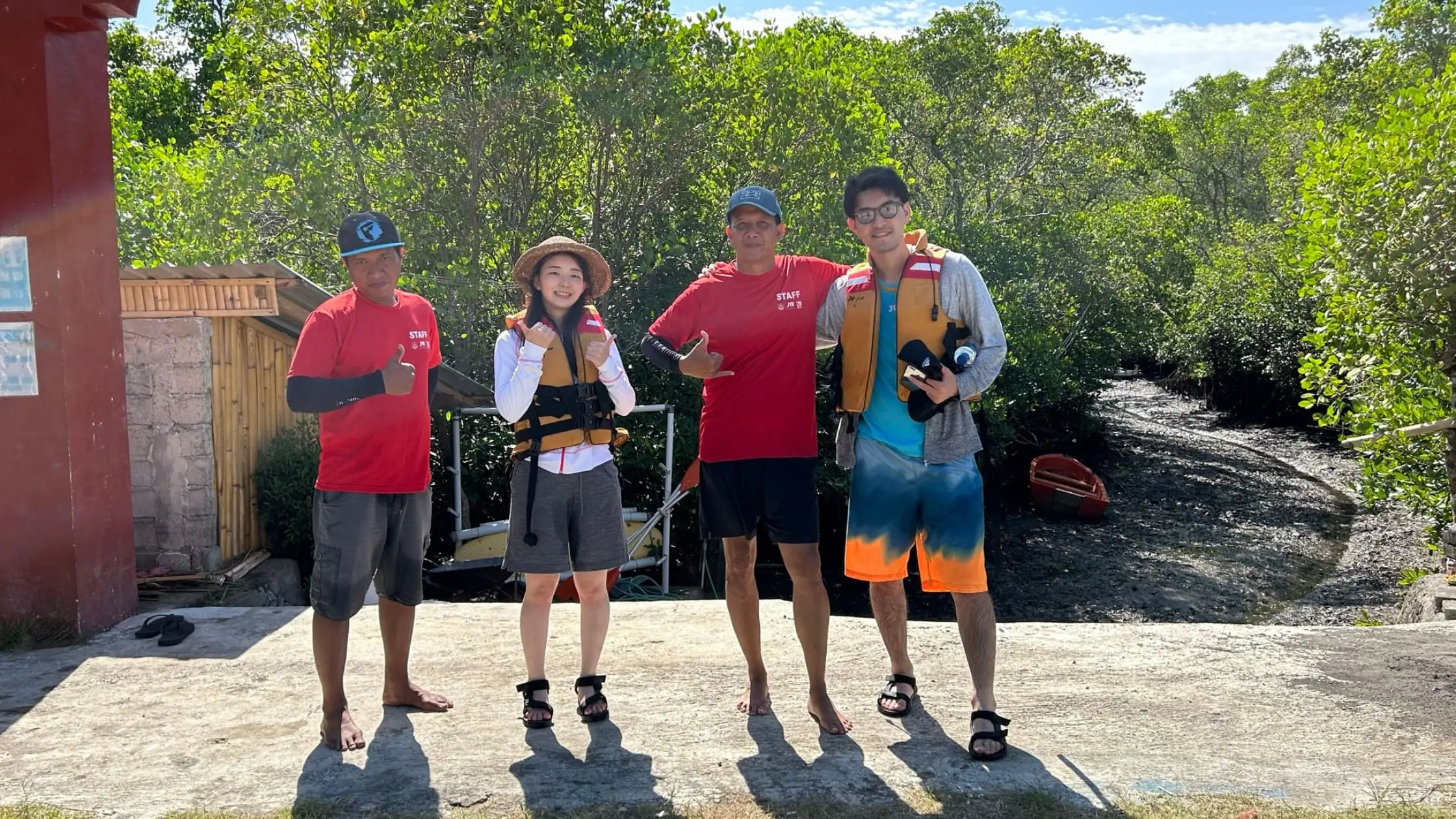
Launch areas. Many tours meet/launch near Kedonganan/Wana Segara Kertih (Bali's Jimbaran Area) your operator will confirm the exact meeting point and transfers.
Approximate drive times (no traffic → rush hour).
Nusa Dua → Wana Segara Kertih: 20–25 min → 30–45 min
Sanur → Wana Segara Kertih: 15–20 min → 25–35 min
Kuta/Legian → Wana Segara Kertih: 25–30 min → 35–50 min
Jimbaran → Wana Segara Kertih: 15–25 min → 25–35 min
Denpasar (center) → Wana Segara Kertih: 25–35 min → 35–55 min
Parking/meeting notes. Most operators use hotel pick-up or share a WhatsApp pin and a map link on the voucher. Pick-up is typically available from the most centrally located hotels, making it convenient for travelers.
Packing checklist
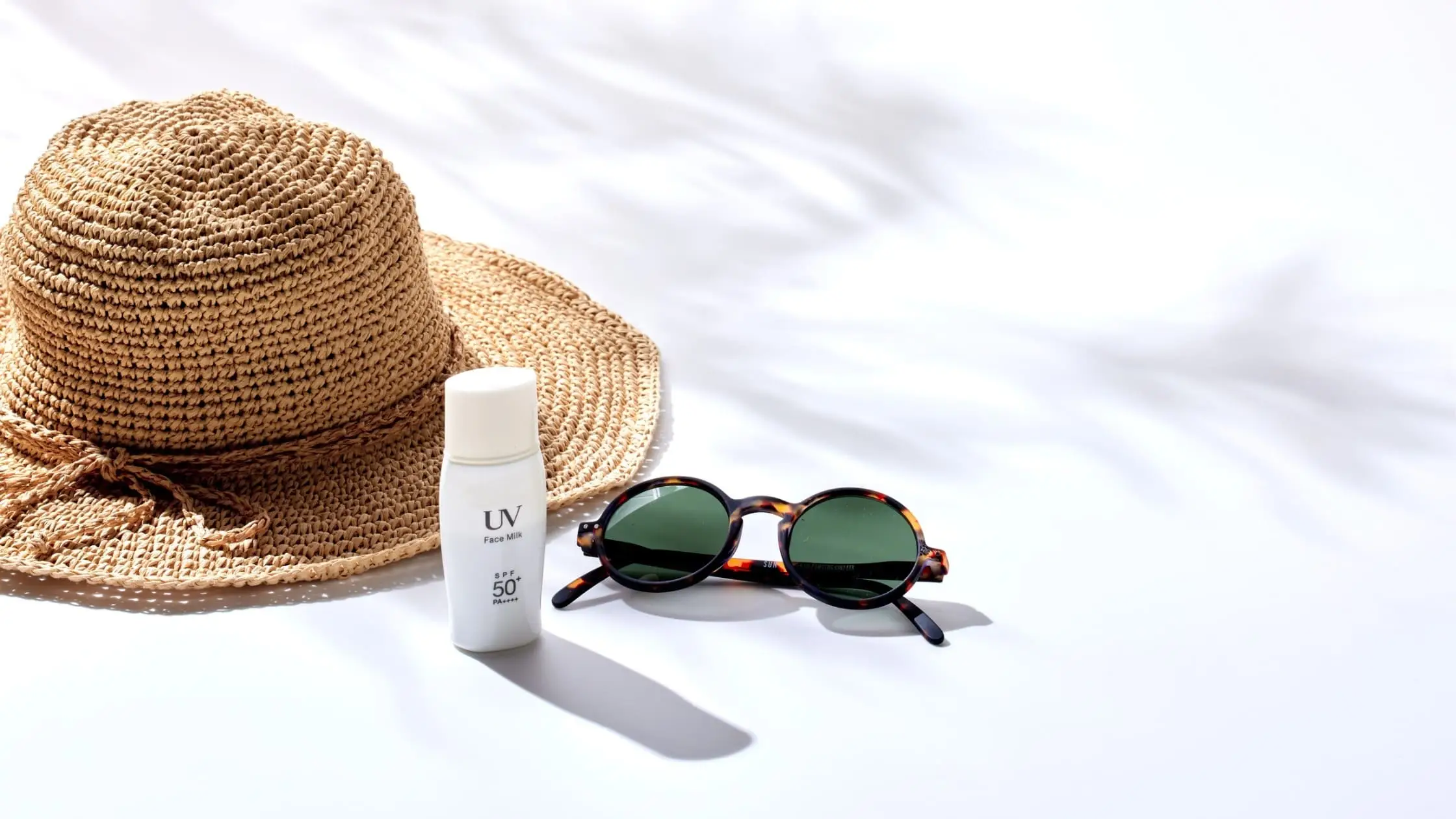
Image by Aflo Images from アフロ(Aflo)
Refillable water (1–2 L)
Sun shirt & hat
Mineral sunscreen (non-nano)
Insect repellent (apply on shore)
Strap for glasses
Phone dry pouch / small dry bag
Light towel
Cash for tips/fees
Spare shirt for ride back
Conclusion
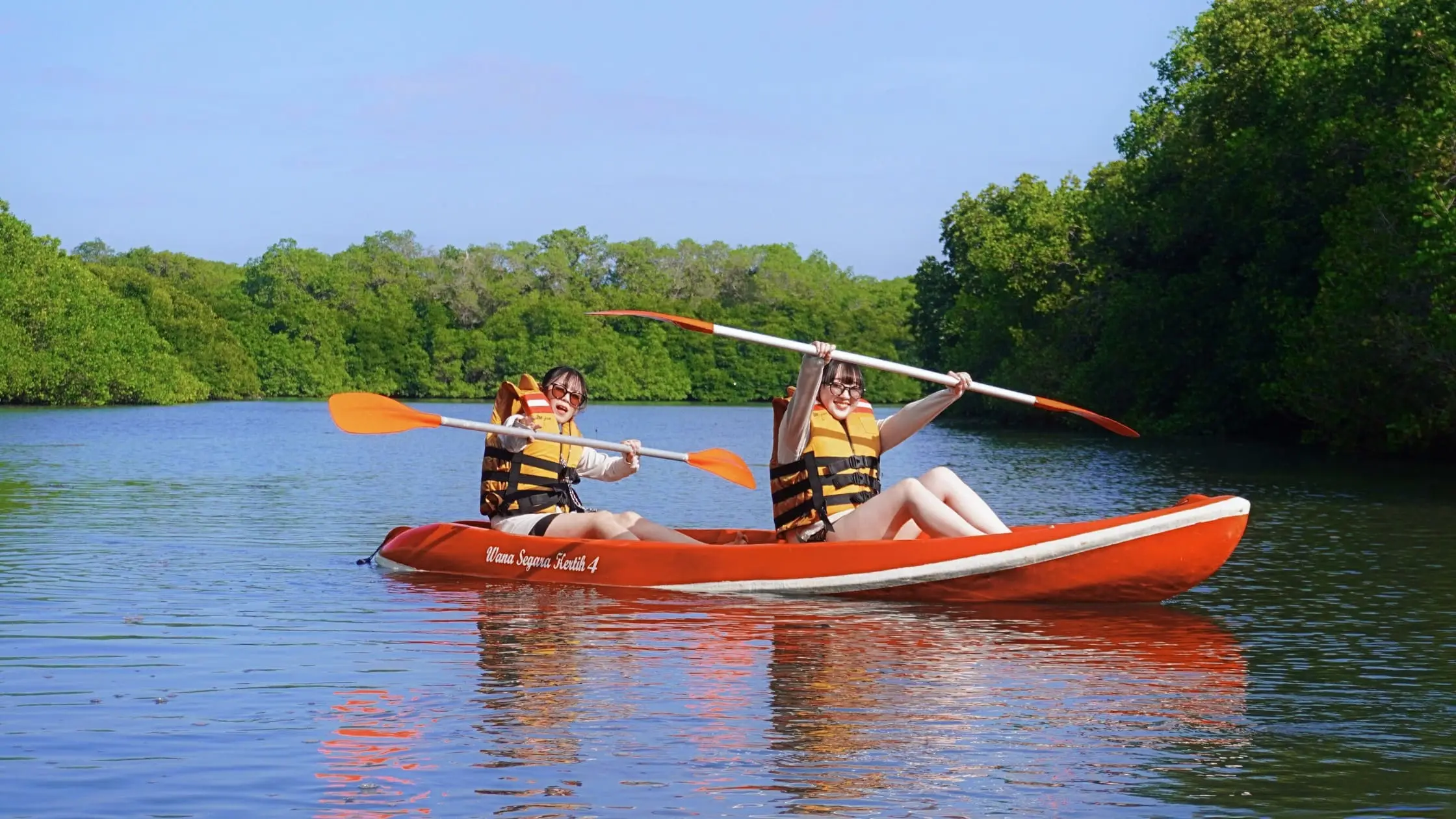
A mangrove canoe tour in Bali offers a relaxing way to experience nature while supporting important conservation efforts. By choosing an operator that focuses on sustainable tourism, you’ll enjoy an experience that’s not only fun but also meaningful.
Each tour typically includes canoe equipment, life jackets, drinking water, and hotel transfers. You’ll be guided by experienced local guides who share insights about the mangrove ecosystem, local wildlife, and Bali’s coastal traditions.
If you’re looking for a complete and professionally managed experience, Bali Mangrove Adventures is ready to provide the perfect tour for you. We offer well-maintained equipment, knowledgeable guides, and educational activities that support mangrove conservation and local communities.
Come and explore the mangrove forest with us, and discover the calm, authentic side of Bali.
👉 You can contact us here or click the “Chat Now!” banner below for more information and bookings.



comments